What global travelers learned in 2025 that will help them in 2026
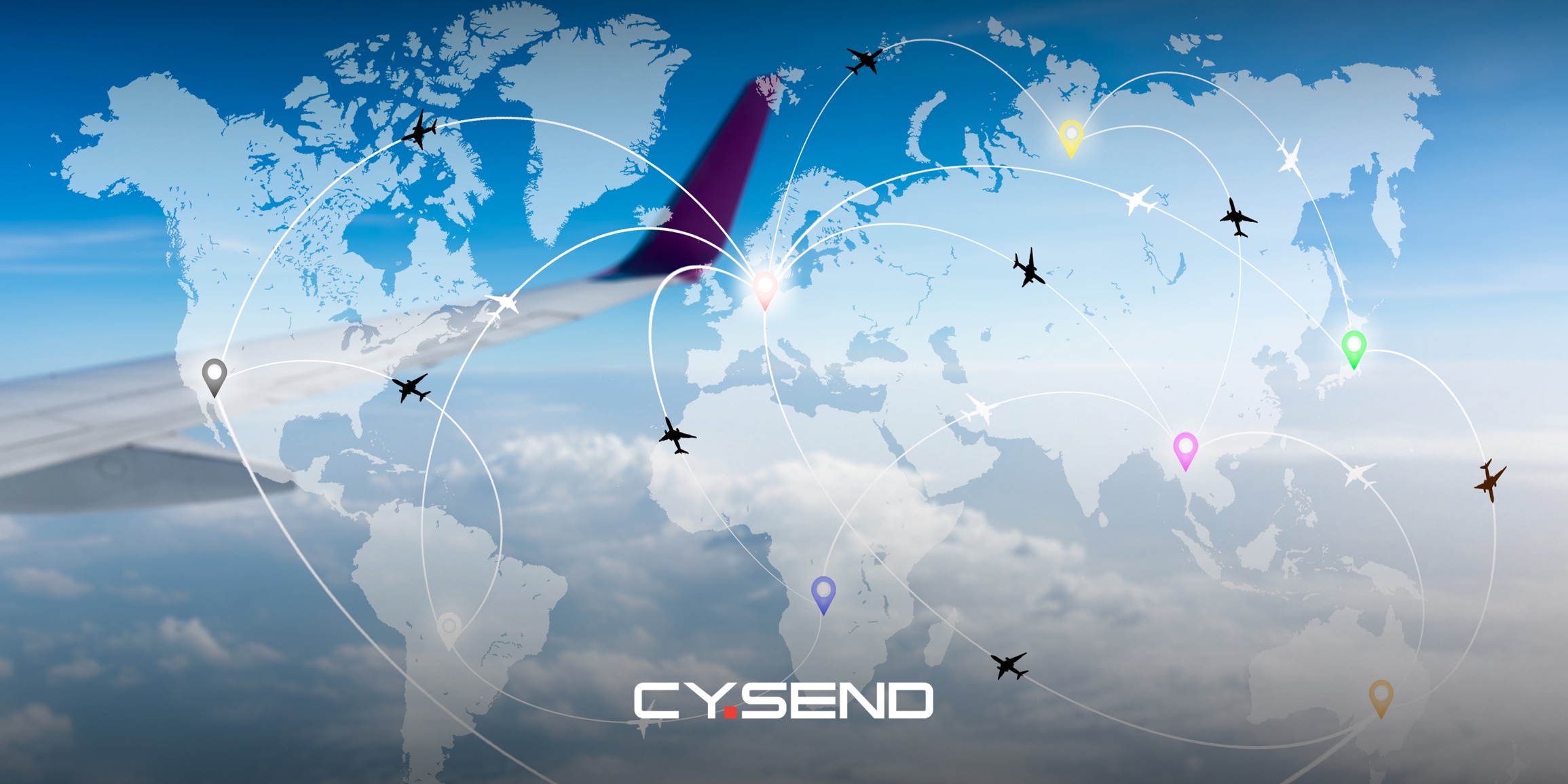
The year 2025 became a turning point for remote workers, frequent travelers, and location-independent professionals. As borders fully reopened, inflation reshaped spending habits, and digital tools matured, global travelers were forced to rethink how they communicate, how they pay, and how they protect their productivity while on the move. The era of "making it work" with duct-tape solutions was over; 2025 demanded a strategic, resilient approach to the mobile lifestyle.
These digital nomad insights 2025 are not about chasing trends. They are practical lessons learned the hard way: through missed flights, unstable connections, blocked cards, and the constant challenge of balancing work with life. They emerged from countless conversations in co-working spaces, airport lounges, and online forums where the shared goal was not just to survive another trip, but to thrive within it. The good news? These learnings set a much clearer path toward a calmer, more intentional 2026, where your systems support your ambitions instead of sabotaging them.
Communication became a survival skill, not a convenience
One of the strongest lessons from 2025 is that communication can no longer be improvised. Global travelers learned that relying on hotel Wi-Fi or a single SIM card is a risk, not a plan. Missed calls, unstable video meetings, and poor connectivity cost time, income, and trust. In a client call that drops during a critical proposal, or a failed video interview, the financial and reputational impact is immediate.
The most resilient nomads planned redundancy: local data plans, prepaid mobile top-ups, and flexible internet access across borders. Having control over connectivity reduced stress and made it easier to maintain professional standards, regardless of location. This went beyond hardware. It involved mastering software—knowing which communication apps (Signal, WhatsApp, Zoom) were dominant in which region, and having backups for each. The savvy professional now carries a connectivity "go-bag": a primary eSIM, a physical local SIM as backup, and access to a portable router or a trusted mobile hotspot app. This layered approach transforms communication from a daily anxiety into a reliable utility.
Spending habits shifted from impulse to intention
In 2025, many travelers realized that small daily expenses accumulate faster abroad. Currency conversions, foreign transaction fees, and inconsistent pricing forced people to pay closer attention to how and where money was spent. The "travel tax"—those small markups on food, transport, and essentials—became more visible and painful. This led to a fundamental shift from reactive spending to proactive financial stewardship.
Digital nomads began separating “life expenses” from “work expenses” more clearly. Prepaid solutions, digital wallets, and gift cards were used not just as payment tools, but as budgeting tools. For instance, loading a specific amount onto a digital card for weekly groceries or dining out created a natural spending cap. This simple separation helped avoid overspending while making financial planning more predictable month to month. Furthermore, many started using dedicated accounts or cards for recurring subscriptions (like Adobe Creative Cloud, VPNs, or cloud storage) to avoid cross-border payment issues and to clearly track business deductions. This intentionality turned financial management from a chaotic guessing game into a structured, calm process.
Payment flexibility became essential for productivity
Few things disrupt a workday faster than a declined payment. In 2025, global travelers faced blocked cards, delayed verifications, and regional restrictions more often than expected. Banks' fraud algorithms, while necessary, often misinterpreted legitimate cross-border activity, freezing assets at the worst possible moment—like when trying to book a last-minute flight to a new country or renew a crucial software license before a deadline. The lesson was clear: relying on a single payment method is fragile.
Many professionals adopted diversified payment strategies. Using digital gift cards for travel, entertainment, software, or daily services allowed them to keep working even when traditional banking failed. This method provided a buffer; purchasing a gift card for a service like Airbnb, Uber, or a major software platform with a stable card, and then using that gift card later, circumvented real-time bank approvals. Platforms like CY.SEND became part of this ecosystem by offering instant, borderless access to a wide range of global digital products—from app store credits to subscription vouchers. This helped travelers stay operational without friction, ensuring they could pay for the tools and services that kept their business running, regardless of their physical location or their bank’s mood that day.
Productivity improved when life felt simpler
A key takeaway from 2025 is that productivity is deeply connected to mental clarity. Travelers who simplified logistics — connectivity, payments, subscriptions, and daily needs — reported higher focus and less burnout. The cognitive load of constantly solving logistical puzzles drains the mental energy needed for deep, creative work. When your basic infrastructure is shaky, every task requires extra effort.
Instead of chasing the cheapest option every time, experienced nomads optimized for reliability. Paying in advance, using prepaid tools, and choosing solutions that worked globally reduced decision fatigue and preserved energy for meaningful work and personal growth. This philosophy extended to workspace choices, daily routines, and tool stacks. It meant having a checklist for arriving in a new city: secure connectivity first, then arrange transport, then settle in. It meant automating bill payments for key services using stable, globally-accepted methods to avoid service interruptions. This cultivated a "set-and-forget" foundation, freeing up bandwidth to actually enjoy the journey and excel professionally.
The human element: well-being in a borderless world
An unexpected but crucial insight from 2025 was the renewed focus on holistic well-being. Constant movement can erode routines, strain relationships, and lead to isolation. The most successful nomads this year didn’t just optimize their tools; they intentionally designed their lifestyles to support mental and physical health. They scheduled "anchor days" for rest and admin, used technology to maintain strong connections back home, and chose destinations that supported their lifestyle goals—not just their budget. They understood that sustainable travel is about integrating, not just visiting. This meant sometimes staying longer in one place to build community, learning basic phrases in the local language, and creating rituals that provided stability amidst change. Productivity, ultimately, is unsustainable without a healthy person at the center of it all.
Lessons to carry into 2026
As 2025 comes to a close, the most valuable digital nomad insights are not about technology itself, but about mindset. Plan for instability. Build backups. Choose tools that respect your time and mobility. The goal is to build an operational framework so robust that it becomes invisible, allowing you to focus on what truly matters: your work, your experiences, and your growth.
Whether it’s staying connected, managing spending, or paying for everyday services, thoughtful digital solutions can quietly improve quality of life. Used intentionally, platforms that facilitate these needs—like CY.SEND for securing essential digital goods across borders—fit naturally into these best practices. They are not a shortcut, but a strategic support system for people who live and work across borders, removing predictable obstacles so you can navigate the unpredictable ones with greater confidence and resilience.
The biggest lesson of 2025? When your systems work smoothly, you gain something far more valuable than speed — you gain freedom. The freedom to choose your next destination based on inspiration, not connectivity maps. The freedom to accept a last-minute project without worrying about payment logistics. The freedom to be present, both in your work and in your wanderings. That is the true promise of a location-independent life, fully realized.
Article Number: 2313
Author: Dec 26, 2025
Last Updated: Jun 11, 2026
Online URL: https://faq.cysend.com/article/what-global-travelers-learned-in-2025-that-will-help-them-in-2026.html