The best tips to plan your travel budget for 2026
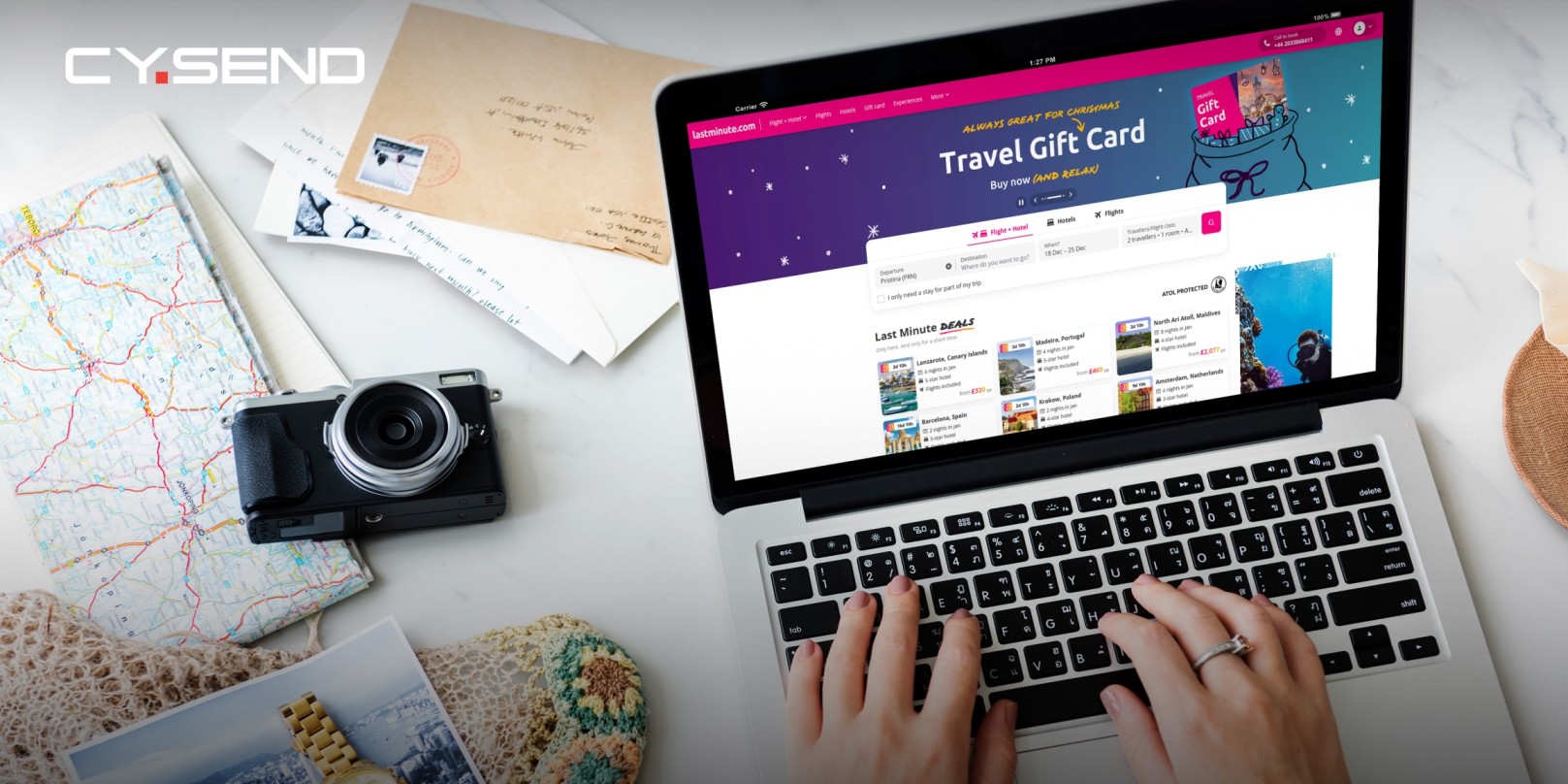
Planning a travel budget 2026 is no longer just about counting flights and hotel nights. For digital nomads, frequent travelers, and expats, travel has become a lifestyle rather than an occasional escape. And with prices, priorities, and travel habits continuing to evolve, 2026 calls for a smarter, more flexible approach to budgeting.
Whether you are working remotely from different countries, relocating abroad, or simply planning one meaningful trip next year, having a clear, realistic travel budget gives you freedom, peace of mind, and better experiences. This guide is designed to help you plan ahead with confidence—focusing on practical decisions, human needs, and tools that actually make travel easier.
Why your 2026 travel budget needs a new approach
Traditional travel budgeting often assumes fixed dates, fixed destinations, and fixed costs. But the reality for many travelers today looks very different. Remote work, flexible contracts, and global mobility mean that plans change quickly—and budgets must adapt.
In 2026, the smartest travel budgets will be:
- Flexible, allowing adjustments without stress
- Value-driven, prioritizing experiences over excess
- Digitally optimized, using platforms and rewards instead of traditional banking friction
Step 1: Define your travel style before setting numbers
Before opening a spreadsheet or budgeting app, start with clarity. Your travel budget should reflect how you actually live and move.
Ask yourself:
- Will you travel continuously or stay longer in fewer places?
- Are you prioritizing comfort, speed, or affordability?
- Do you need reliable connectivity for work?
- Will travel be mixed with personal visits or professional commitments?
Digital nomads often underestimate everyday costs like coworking spaces, data plans, and short-term rentals. Expats may forget setup costs when moving countries. Travelers may overlook inflation in popular destinations.
Your travel budget 2026 should be built around real behavior—not idealized plans.
Step 2: Break your budget into smart categories
A useful travel budget doesn’t live in one number. It lives in categories that reflect real spending patterns.
Core travel costs
- Flights and transport between destinations
- Accommodation (hotels, rentals, long stays)
- Local transport
Living & working costs
- Food and groceries
- Internet, mobile data, SIMs
- Coworking or workspace access
Flex & safety margin
- Unexpected changes
- Emergency travel
- Visa or documentation fees
Planning with categories helps you adjust without panic. If flights increase, you can rebalance accommodation or rewards usage instead of overspending overall.
Step 3: Use rewards and cashback as part of your budget
One of the biggest shifts in travel planning is understanding that rewards are not “extras”—they are part of the budget itself.
Cashback, gift cards, and loyalty programs can significantly reduce real travel costs when used intentionally. Instead of saving receipts and hoping for refunds, travelers are increasingly planning trips around platforms that give value back instantly.
Plan your next trip with lastminute.com via CY.SEND
If you are based in the UK and planning your 2026 travels early, there is a limited-time opportunity worth considering. Through CY.SEND’s Cashback Club, travelers can unlock exclusive benefits connected to lastminute.com.
- Up to £49.99 FREE lastminute.com Gift Card instantly after joining
- 15% discount on travel giftcard lastminute.com
- 10× more rewards on every order
- Access to 60,000+ products worldwide
Instead of stretching your cash budget, integrating rewards into your planning allows you to travel with more flexibility while keeping spending predictable.
Step 4: Think long-term, not trip-by-trip
Many travelers make the mistake of budgeting per trip, rather than per year. A yearly perspective makes it easier to spot patterns, optimize costs, and plan rest periods.
For example:
- Booking fewer long stays instead of many short ones
- Using travel gift cards strategically during promotions
- Aligning major trips with reward multipliers or discounts
Programs like the CY.SEND Cashback Club are designed for this long-term mindset. Instead of isolated savings, they reward consistency—something digital nomads and frequent travelers naturally have.
Step 5: Leave space for life to happen
No travel budget is complete without empathy—for yourself. Travel is exciting, but it can also be exhausting, unpredictable, and emotional.
Your travel budget 2026 should leave room for:
- Changing plans when needed
- Choosing comfort over savings sometimes
- Investing in experiences that matter to you
A good budget doesn’t restrict you—it supports you. When your finances are planned with intention, travel becomes less about stress and more about freedom.
Final thoughts: travel smarter, not harder in 2026
Planning your 2026 travel budget is not about predicting every expense. It’s about building a system that adapts with you—one that balances structure with flexibility.
By understanding your travel style, breaking costs into realistic categories, and using tools like rewards and cashback wisely, you can travel more confidently and sustainably next year.
Start early, stay curious, and remember: the best travel plans are the ones that support your life, not control it.
Article Number: 2316
Author: Dec 30, 2025
Last Updated: Jun 15, 2026
Online URL: https://faq.cysend.com/article/the-best-tips-to-plan-your-travel-budget-for-2026.html