The best payment methods for traveling this year
Travel & Connectivity | Reading time: 1-2 minutes
Quick Summary: As you plan your international adventures for 2026, choosing the best travel payment methods has become more critical than ever. This comprehensive guide covers credit cards, debit cards, digital wallets, cashless travel trends, and security best practices to help you manage your money safely and efficiently abroad.
As you plan your international adventures for 2026, the last thing you want to worry about is a declined card or unexpected foreign transaction fees. With the global travel landscape rapidly shifting towards digital and cashless solutions, choosing the best travel payment methods has become more critical than ever. This guide provides practical, expert advice to help you manage your money securely and efficiently, whether you're a digital nomad, an expat, or simply enjoying a well-deserved vacation.
Understanding yout travel payment options
Navigating the world of international payments starts with understanding the tools at your disposal. Each option comes with its own set of benefits and drawbacks, and the right choice often depends on your destination and spending habits. Let's explore the most common travel money options.
| Payment Method | Pros | Cons |
|---|---|---|
| Credit Cards | Widely accepted, purchase protection, rewards programs, favorable exchange rates | High foreign transaction fees on some cards, potential for overspending |
| Debit Cards | Direct access to your bank funds, convenient for ATM withdrawals | Often linked to main account (security risk), fewer fraud protections |
| Prepaid Travel Cards | Excellent for budgeting, not linked to bank account, no credit check needed | May have loading fees, not accepted by all merchants |
| Multi-Currency Accounts | Hold and spend in multiple currencies, mid-market exchange rates, low fees | Requires setting up new account, may have transfer limits |
| Digital Wallets | Secure (encrypted), fast contactless payments, convenient for public transport | Not universally accepted, requires charged smartphone |
| Cash | Essential for small purchases, tips, places with limited card acceptance | Risk of theft, bulky to carry, poor exchange rates from kiosks |
For the modern traveler, a combination of these methods is often the most effective strategy. A credit card for major purchases, a debit card for cash withdrawals, and a multi-currency account like CY.SEND for managing different currencies can provide both flexibility and security.
Credit cards vs. debit cards: what works best abroad
When it comes to paying abroad safely, the debate between credit and debit cards is a common one. While both are essential cards for travelers, they serve different purposes. Credit cards are generally the superior choice for most purchases. They offer robust fraud protection, meaning you are not typically liable for unauthorized charges while the bank investigates. Furthermore, many travel-focused credit cards come with perks like travel insurance, rental car coverage, and no foreign transaction fees, which can save you the typical 2-3% charge on every international purchase.[1]
Always opt to pay in the local currency when using your credit card, as the exchange rates offered by your card provider are almost always better than those offered by the merchant. This simple choice can save you money on every transaction. Additionally, ensure your credit card has an EMV chip, which is the standard in over 130 countries and provides enhanced security compared to magnetic stripe cards.
Debit cards, on the other hand, are best reserved for withdrawing cash from ATMs. Since the funds are drawn directly from your bank account, any fraudulent activity can be more disruptive.[2] However, for getting local currency, they are indispensable. To minimize fees, use ATMs affiliated with your home bank's network. It is also wise to carry a backup credit and debit card from different banking institutions, in case one is lost, stolen, or declined.
The rise of cashless travel in 2026
The trend towards cashless travel is accelerating, with many countries boasting high adoption rates for contactless payments. In markets like the UK (93.4%), Australia (95%), and Singapore (97%), tapping your card or phone has become the norm.[4] This shift is driven by the convenience, speed, and security of digital wallets and NFC technology. In some destinations, you may even find merchants who no longer accept cash at all.
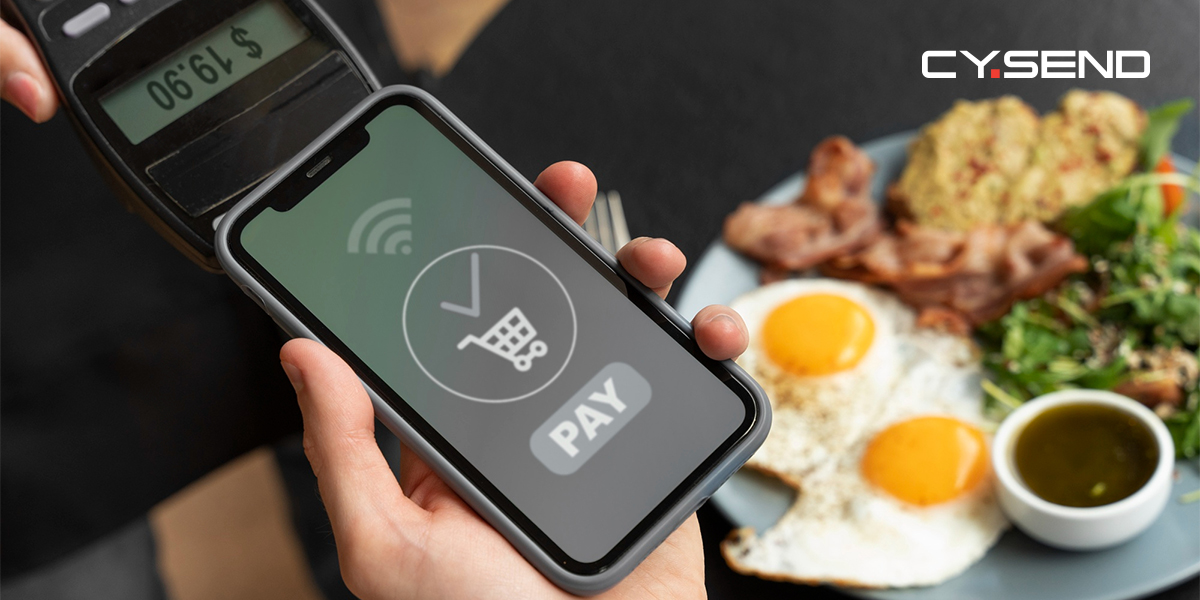
Greece's Cyclades Islands, for example, are launching a "Cyclades Digital Pass" in 2026, a cashless system for tourists that integrates digital payments for ferries, accommodation, and local transport. This initiative highlights a broader trend: the future of travel is digital. To adapt, travelers should set up a digital wallet like Apple Pay or Google Pay on their smartphone before departing. These wallets store your card information securely through encryption, and transactions are protected by your phone's passcode, fingerprint, or facial recognition.
Digital wallets offer several advantages beyond security. They simplify your travel experience by reducing the number of physical cards you need to carry, and they can store travel rewards, boarding passes, and hotel confirmations. In countries where QR code payments are prevalent, such as China, ensure your digital wallet app can generate QR codes for seamless transactions. The speed and efficiency of contactless payments can significantly reduce confusion when dealing with unfamiliar currencies or payment systems.
Protecting your finances while traveling
Paying abroad safely requires vigilance. Start with physical security: keep your cards and passport in a money belt, not your pocket.[3] When using an ATM, inspect it for any loose or suspicious parts that could indicate a card skimmer, and always shield the keypad with your hand to protect your PIN. Be wary of overly helpful strangers who may be trying to distract you while an accomplice steals your cash or card information.
It is also a smart practice to notify your bank of your travel plans to prevent them from flagging legitimate transactions as fraudulent. Regularly monitor your account statements online using a secure Wi-Fi connection, and set up transaction alerts to catch any unauthorized activity immediately. Avoid using your debit card for purchases whenever possible, as credit cards offer better fraud protection. These simple habits are among the best travel payment methods for ensuring peace of mind.
Security checklist for travelers
✓ Memorize your PINs and never write them on your cards
✓ Inspect ATMs for card skimmers before inserting your card
✓ Shield the keypad when entering your PIN
✓ Notify your bank of your travel dates and destinations
✓ Set up transaction alerts on your mobile banking app
✓ Use credit cards for purchases and debit cards only for ATM withdrawals
✓ Carry backup cards from different banks in separate locations
How CY.SEND simplifies international payments
For digital nomads, expats, and frequent travelers, managing money across borders can be complex. This is where CY.SEND emerges as an essential tool for modern global living. CY.SEND offers a streamlined platform for international payments, allowing you to manage multiple currencies with ease and benefit from competitive exchange rates. Unlike traditional banks, CY.SEND is built for a borderless world, providing the security, convenience, and global accessibility that travelers need.
Imagine being able to pay a local vendor in one country and receive a payment from a client in another, all from a single, secure platform. That is the freedom CY.SEND provides. By simplifying currency exchange and international transfers, we empower you to focus on your journey, not your finances. Whether you're sending money home, paying for services abroad, or managing income from multiple countries, CY.SEND offers the flexibility and reliability that modern travelers demand.
Explore how CY.SEND can become your trusted financial partner for all your travels. Learn more about our multi-currency solutions and security features designed specifically for the global community.
As we embrace 2026, the way we pay while traveling is becoming smarter and more seamless. By choosing a mix of the best travel payment methods—a no-foreign-fee credit card for purchases, a debit card for ATM withdrawals, and a multi-currency solution like CY.SEND for ultimate flexibility—you can travel with confidence. Planning your payment strategy is just as important as booking your flight. Start preparing now to make your next international trip your most financially savvy one yet.
Key Takeaways
→ Diversify Your Methods: Rely on a mix of credit cards, debit cards, and digital wallets.
→ Avoid Unnecessary Fees: Choose credit cards with no foreign transaction fees.
→ Embrace Cashless: Set up a digital wallet for contactless payments.
→ Stay Vigilant: Protect your PIN, inspect ATMs, and monitor your accounts.
→ Plan Ahead: Notify your bank of your travel dates before you depart.
→ Use a Multi-Currency Solution: For frequent travelers, a platform like CY.SEND is invaluable.
Article Number: 2321
Author: Jan 7, 2026
Last Updated: Jan 8, 2026
Online URL: https://faq.cysend.com/article/the-best-payment-methods-for-traveling-this-year.html