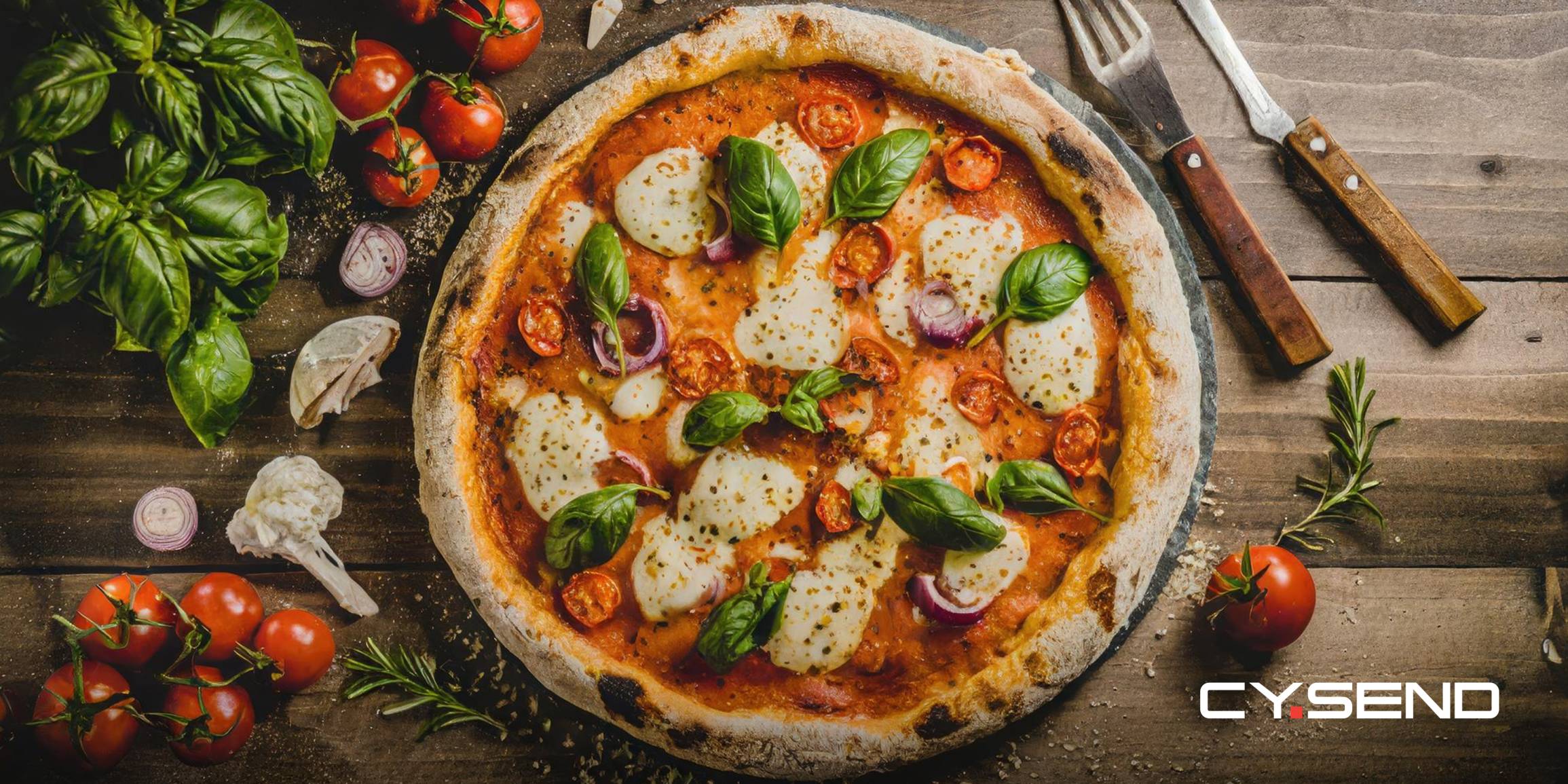
In today's connected world, choosing where to live as a digital nomad isn't just about WiFi speeds and coworking spaces. It's about finding places where work-life balance feels natural, where you can stay productive during the day and genuinely enjoy your evenings. And if you're settling in Italy—even temporarily—that means one non-negotiable requirement: access to exceptional pizza.
But here's the challenge most expats and remote workers face when moving to Italy. You're juggling time zones, managing clients across borders, and trying to integrate into local life. You need reliable infrastructure, affordable living costs, and the ability to send money home without losing a chunk to fees. Finding the right city—and the right pizzeria—becomes part of a bigger puzzle: building a sustainable, fulfilling life abroad.
This guide connects those dots. We'll explore the best pizzerias across Italy's top digital nomad cities, share practical tips for integrating into Italian life, and address the real financial challenges expats face when living and working remotely in Italy.
Understanding the digital nomad experience in Italy
Italy launched its Digital Nomad Visa in 2024, opening doors for non-EU remote workers to live and work legally in the country. The visa requires proof of remote employment, a minimum annual income of €28,000, and health insurance. But beyond the paperwork, the real question is: where should you actually base yourself?
The answer depends on what you value most. Milan offers world-class infrastructure and international business networks but comes with higher costs. Florence provides creative inspiration in a walkable Renaissance setting. Rome delivers cultural immersion and spontaneity, while Bologna balances intellectual depth with affordability. Southern cities like Bari and Lecce offer sunshine, low costs, and authentic Italian living—but with fewer English speakers and less developed coworking infrastructure.
Each city has its own pizza culture, too. Naples is the undisputed birthplace of pizza, where Neapolitan-style pies with puffy, charred crusts reign supreme. Rome specializes in pizza al taglio (by the slice) and thin, crispy Roman-style rounds. Milan has embraced contemporary pizzerias that blend tradition with innovation. Understanding these regional differences helps you appreciate not just the food, but the culture you're stepping into.
Real story: Finding community through pizza
Marco, a software developer from Brazil, moved to Bologna in early 2025. He struggled with isolation during his first month until he started frequenting a local pizzeria near his apartment. The owner noticed him working on his laptop and introduced him to other regulars—including two other remote workers. Within weeks, his weekly pizza nights became informal coworking sessions, and he built a support network that made Bologna feel like home.
Why traditional banking falls short for remote workers in Italy
Living in Italy as a digital nomad means navigating financial challenges that tourists never encounter. You're earning in one currency, spending in euros, and likely supporting family or maintaining financial obligations back home. Traditional banking solutions create friction at every step.
International wire transfers from Italian banks can cost €25-€40 per transaction, with exchange rate markups adding another 3-5% in hidden fees. If you're sending money home monthly, those costs compound quickly. Many expats also face restrictions accessing home-country services—streaming subscriptions, banking apps, and even government portals often block foreign IP addresses or require local phone numbers.
Opening an Italian bank account presents its own obstacles. You'll need proof of residency (often requiring a lease agreement), a codice fiscale (tax code), and patience for bureaucratic processes that can take weeks. Some banks charge monthly maintenance fees ranging from €5-€15, plus additional fees for international transactions.
Common myth: "Cash is king in Italy"
While Italy historically relied heavily on cash, digital payments have surged since 2020. Most restaurants, including pizzerias, now accept cards. However, smaller neighborhood spots may still be cash-only, so always carry €20-€50 for flexibility. ATM withdrawals from foreign cards typically incur €3-€5 fees plus currency conversion charges.
A modern approach: Balancing work, life, and financial freedom
The most successful digital nomads in Italy don't just find great pizza—they build systems that support their lifestyle. This means choosing cities with the right infrastructure, establishing routines that blend work and exploration, and using financial tools designed for international living.
Services like CY.SEND can help bridge the gap between your Italian life and financial obligations elsewhere. Instead of paying high bank fees for international transfers, platforms designed for cross-border payments offer better exchange rates and lower transaction costs. CY.SEND also provides virtual addresses and mail forwarding, solving the common problem of accessing home-country services that require local addresses.
But technology only solves part of the equation. True integration means learning basic Italian phrases, understanding local customs (like never ordering a cappuccino after 11 AM), and building relationships in your neighborhood. Your local pizzeria becomes more than a restaurant—it's a community anchor.
The best pizzerias in Italy's top digital nomad cities
Now let's get to what you came for: the pizza. These recommendations prioritize pizzerias in cities with strong digital nomad infrastructure, considering factors like proximity to coworking spaces, neighborhood vibe, and value for money.
Milan: Where innovation meets tradition
Milan's pizza scene reflects the city itself—sophisticated, international, and constantly evolving. The Isola and Porta Garibaldi neighborhoods, popular with remote workers, offer excellent options within walking distance of coworking spaces.
Confine ranks #4 globally in the 50 Top Pizza World rankings and represents Milan's contemporary approach to pizza. Located in a trendy area, it's perfect for a working lunch or evening meal after a productive day. Expect creative toppings and impeccable technique. Prices run €12-€18 per pizza.
Dry Milano (#17 globally) offers another high-end experience with a focus on premium ingredients and innovative combinations. The atmosphere suits both casual dinners and client meetings.
For a more traditional Neapolitan experience in Milan, Sorbillo brings authentic Naples-style pizza to the northern capital. It's more affordable (€8-€12) and always packed with locals—a good sign.
💡 Pro tip: Timing your pizza visits
Italian pizzerias typically open for dinner service around 7:00 PM, but locals rarely eat before 8:00 PM. Arrive at 7:30 PM to avoid long waits, or embrace the Italian schedule and dine at 9:00 PM for the full cultural experience. Many pizzerias close between lunch and dinner (roughly 3:00-7:00 PM).
Rome: Tradition and spontaneity
Rome offers two distinct pizza styles: thin, crispy pizza tonda and thick, rectangular pizza al taglio sold by weight. Both have their place in a digital nomad's routine.
Seu Pizza Illuminati in Trastevere (#10 globally) has become legendary among both locals and expats. The pizzeria focuses on high-quality ingredients and creative combinations while respecting tradition. Located in one of Rome's most charming neighborhoods, it's ideal for evening explorations after work. Expect to wait—reservations are essential.
180 Grammi Pizzeria Romana (#29 globally) specializes in authentic Roman-style pizza with a crispy, cracker-like crust. It's more casual and affordable than Seu, making it perfect for regular weeknight dinners.
For quick lunches between meetings, Pizzarium near the Vatican serves arguably Rome's best pizza al taglio. Chef Gabriele Bonci is considered a master of the craft, and his constantly rotating selection of creative toppings makes every visit different. Prices are reasonable (€3-€5 per slice), and you can eat standing at outdoor tables—very Roman.
Florence: Renaissance beauty, modern pizza
Florence's compact size means you're never far from excellent pizza, though the city is more famous for bistecca than pizza. Still, the growing digital nomad community has attracted quality pizzerias.
Giovanni Santarpia (#83 globally) brings Neapolitan expertise to Florence. The pizzaiolo trained in Naples and maintains strict traditional methods while sourcing local Tuscan ingredients where possible. Located in a residential area away from tourist crowds, it's where locals go for serious pizza.
For a more casual experience, Gustapizza in the Oltrarno neighborhood serves simple, delicious pizzas at student-friendly prices (€6-€9). The outdoor seating on the steps of a nearby building has become an institution—grab your pizza, find a spot, and enjoy the neighborhood vibe.
Naples & Caserta: The pizza pilgrimage
If you're serious about pizza, you must visit Naples and nearby Caserta. While these cities have smaller digital nomad communities than Milan or Rome, they're essential destinations for any remote worker spending extended time in Italy.
Diego Vitagliano Pizzeria in Naples (#2 globally) represents the pinnacle of Neapolitan pizza. Chef Diego Vitagliano is considered one of the world's best pizzaioli, and his restaurant showcases what centuries of tradition combined with modern technique can achieve.
I Masanielli – Francesco Martucci in Caserta (also #2 globally, tied) offers an equally exceptional experience. Caserta is just 30 minutes from Naples by train, making it an easy day trip.
Pepe in Grani in Caiazzo (#25 globally) requires more effort to reach but rewards the journey. Franco Pepe is a legend in the pizza world, and his restaurant in a small town outside Naples has become a pilgrimage site for pizza lovers worldwide.
For a more accessible Naples experience, 50 Kalò (#9 globally) offers exceptional quality in a more relaxed setting. Sorbillo in the historic center is another excellent choice, though expect long lines during peak hours.
Bologna: Intellectual pizza culture
Bologna is better known for tagliatelle al ragù than pizza, but the city's intellectual, food-obsessed culture means high standards for everything—including pizza.
While Bologna doesn't have globally-ranked pizzerias, local favorites like Berberè have earned cult followings. Berberè focuses on organic ingredients, creative toppings, and a casual atmosphere that fits Bologna's university-town vibe. It's affordable (€8-€12) and popular with students and young professionals.
⚡ Quick win: The aperitivo strategy
Many Italian bars and pizzerias offer aperitivo (happy hour) from 6:00-8:00 PM. For the price of a drink (€8-€12), you get access to a buffet that often includes pizza, pasta, and appetizers. It's an affordable way to try different places, meet locals, and bridge the gap between your afternoon work session and dinner. Popular in Milan, Turin, and Bologna.
Turin: Alpine pizza excellence
Turin's pizza scene punches above its weight, with Sestogusto (#36 globally) leading the charge. The pizzeria combines traditional Neapolitan methods with Piedmontese ingredients, creating a unique regional expression of pizza.
Turin's location near the Alps means excellent water quality (crucial for pizza dough) and access to premium local cheeses. The city's more affordable cost of living compared to Milan makes regular pizza dinners more sustainable for remote workers on a budget.
Southern Italy: Authentic living, exceptional pizza
Cities like Bari and Lecce offer the most affordable digital nomad experiences in Italy, with monthly costs as low as €1,100-€1,700. The pizza culture here is deeply traditional and refreshingly unpretentious.
In Lecce, 400 Gradi (#64 globally) serves excellent Neapolitan-style pizza in a baroque city that feels like a hidden gem. The slower pace of life in Lecce means longer, more relaxed meals—perfect for unwinding after focused work sessions.
Bari's pizza scene is less internationally recognized but deeply authentic. The city's focus on fresh seafood extends to pizza toppings, with local specialties featuring anchovies, mussels, and other Adriatic catches.
Common mistakes digital nomads make in Italy
Learning from others' experiences can save you time, money, and frustration. Here are the most common mistakes expats make when settling in Italy.
Underestimating bureaucracy. Italian administrative processes take time. Apply for your codice fiscale immediately upon arrival, and start the residency registration process early. These documents unlock everything from bank accounts to gym memberships.
Ignoring language learning. While you can survive in major cities with English, learning basic Italian dramatically improves your quality of life. It shows respect, helps you integrate, and makes everyday tasks easier. Even simple phrases at your local pizzeria build relationships.
Choosing location based solely on cost. The cheapest cities aren't always the best value. Consider the total picture: coworking availability, international community, transportation connections, and lifestyle fit. Saving €300/month in rent doesn't help if you're isolated and unhappy.
Using expensive transfer services. Many expats continue using traditional banks for international transfers, losing hundreds of euros annually to fees and poor exchange rates. Platforms like CY.SEND offer better rates and lower fees specifically designed for people living abroad.
Skipping health insurance. The Digital Nomad Visa requires health insurance, but beyond legal requirements, Italy's healthcare system works differently than many countries. Private insurance provides faster access to specialists and English-speaking doctors.
Treating Italy like a long vacation. The most successful digital nomads establish routines, build local relationships, and create sustainable work-life boundaries. Italy's beauty can be distracting—set clear work hours and protect them.
Expert tips for thriving as a digital nomad in Italy
Beyond avoiding mistakes, here are proactive strategies for building an exceptional life in Italy.
Embrace the Italian schedule. Shops close for lunch (roughly 1:00-4:00 PM), and dinner starts late (8:00 PM or later). Align your work schedule accordingly—handle focused work during the quiet afternoon hours, then enjoy long evenings.
Build a "third place" routine. Beyond your apartment and coworking space, find a regular café, pizzeria, or bar where you become a familiar face. These relationships form the foundation of local integration and combat remote work isolation.
Use regional trains strategically. Italy's train network makes weekend exploration easy and affordable. Regional trains (not high-speed Frecce trains) offer unlimited travel on some routes for €10-€15. Explore nearby cities, discover hidden pizzerias, and break up your routine.
Optimize your financial setup early. Beyond basic banking, consider services that solve multiple problems. CY.SEND, for example, provides virtual addresses in multiple countries, enabling you to maintain access to home-country services while living abroad. This matters for everything from streaming subscriptions to government correspondence.
Join local communities, not just expat groups. While expat networks provide valuable support, joining Italian-focused groups (language exchanges, sports clubs, volunteer organizations) accelerates integration and language learning.
Document everything. Keep digital copies of all documents—visa, codice fiscale, residence permit, contracts. Italian bureaucracy often requires producing the same documents multiple times.
💡 Pro tip: The pizza quality test
A simple Margherita pizza reveals everything about a pizzeria's quality. With only tomato sauce, mozzarella, basil, and olive oil, there's nowhere to hide inferior ingredients or poor technique. Order a Margherita on your first visit to any new pizzeria—if it's exceptional, explore the rest of the menu.
Future trends: Italy's evolving digital nomad scene
Italy's digital nomad ecosystem is still maturing, but several trends are shaping its future.
Smaller cities courting remote workers. Towns like Perugia, Trieste, and Palermo are actively developing digital nomad infrastructure—coworking spaces, networking events, and streamlined visa processes. These cities offer authentic Italian experiences at lower costs than traditional expat hubs.
Improved digital infrastructure. Italy historically lagged in broadband coverage, but significant investments in fiber optic networks are changing that. Even smaller southern cities now offer reliable high-speed internet in most areas.
Coliving spaces expanding. Purpose-built coliving facilities combining accommodation, coworking, and community are emerging in cities like Milan, Rome, and Florence. These spaces solve multiple problems simultaneously—housing, workspace, and social connection.
Financial services adapting. More fintech companies are addressing the specific needs of people living internationally. Services like CY.SEND that combine money transfers, virtual addresses, and access to home-country services represent this evolution—recognizing that digital nomads need integrated solutions, not just individual products.
Seasonal nomadism becoming common. Many remote workers are adopting a seasonal approach—spending summers in northern Italy or the Alps, then moving south for milder winters. This pattern maximizes quality of life while managing costs.
Taking your next steps
Living in Italy as a digital nomad offers an extraordinary opportunity to blend meaningful work with exceptional quality of life. The country's pizza culture—from world-class Neapolitan pizzerias to neighborhood spots where you become a regular—becomes a daily reminder of why you chose this path.
Start by choosing a city that matches your priorities. If you need robust business infrastructure and international connections, Milan or Rome make sense despite higher costs. If you prioritize affordability and authentic experiences, consider Bologna, Bari, or Lecce. Florence and Turin offer compelling middle grounds.
Once you've chosen your base, set up your financial infrastructure properly. Research money transfer services that minimize fees—platforms like CY.SEND can save hundreds of euros annually compared to traditional banks. Establish your Italian banking, get your codice fiscale, and register your residence.
Then comes the best part: exploring. Visit the pizzerias we've recommended, but also wander your neighborhood and discover your own favorites. Build relationships with shopkeepers, baristas, and yes, pizzaioli. Learn Italian, even if slowly. Embrace the rhythm of Italian life.
The goal isn't to be a perpetual tourist. It's to build a life—one where you can send money home efficiently, access the services you need, integrate into your community, and enjoy exceptional pizza whenever the craving strikes.
FAQ: Your questions answered
How much should I budget for pizza in Italy as a digital nomad?
Expect to pay €8-€12 for pizza at mid-range pizzerias, €12-€18 at high-end establishments, and €3-€5 per slice for pizza al taglio. Eating pizza 2-3 times weekly costs roughly €50-€80 monthly—very reasonable compared to other dining options.
Do I need to speak Italian to order pizza?
Not essential, but learning basic phrases helps tremendously. Most pizzerias in major cities have English menus, but knowing how to order ("Vorrei una Margherita, per favore") and express preferences shows respect and builds rapport with staff.
What's the cheapest way to send money home from Italy?
Avoid traditional bank wire transfers, which charge €25-€40 plus poor exchange rates. Use specialized money transfer services like Wise, Revolut, or CY.SEND, which offer better rates and lower fees—typically saving 3-5% per transaction compared to banks.
Which Italian city is best for digital nomads on a tight budget?
Lecce and Bari offer the lowest costs (€1,100-€1,700/month) with authentic Italian experiences. Bologna provides better infrastructure and international community at moderate costs (€1,500-€2,000/month), making it the best value for most remote workers.
Can I work from pizzerias in Italy?
Pizzerias aren't designed for coworking—they're busy during meal service and closed during typical work hours. Use dedicated coworking spaces or cafés for work, then enjoy pizzerias for meals and social time.
How do I access home-country services while living in Italy?
Many services block foreign IP addresses or require local addresses. VPNs help with streaming services, while platforms like CY.SEND provide virtual addresses for mail forwarding and maintaining access to banking, government services, and subscriptions that need physical addresses.
Is Naples worth visiting just for the pizza?
Absolutely. Naples offers the world's best pizza concentration, with multiple globally-ranked pizzerias within walking distance. Combine it with visits to Pompeii, the Amalfi Coast, and Caserta for a worthwhile long weekend or week-long trip from your Italian base.
What's the difference between Neapolitan and Roman pizza?
Neapolitan pizza has a thick, puffy crust with charred spots, soft center, and simple toppings. Roman pizza (pizza tonda) is thin and crispy throughout. Pizza al taglio (Roman-style by the slice) is thicker with a focaccia-like texture. All are delicious—just different styles.
How long does it take to get Italy's Digital Nomad Visa?
Processing times vary by consulate but typically range from 4-8 weeks. Apply at least 2-3 months before your intended move to account for document preparation, appointment scheduling, and processing time.
Should I tip at pizzerias in Italy?
Tipping isn't expected as it is in the US. Most restaurants include a "coperto" (cover charge) of €1-€3 per person. Rounding up the bill or leaving €1-€2 for exceptional service is appreciated but not required.
Can I survive in Italy without opening a local bank account?
Possible but challenging. Many landlords require Italian bank accounts for rent payments, and some services only accept local bank transfers. Digital banks like Revolut or N26 work for daily expenses, but a local account simplifies life significantly.
What's the best time of year to move to Italy as a digital nomad?
Spring (April-May) or fall (September-October) offer ideal weather and fewer tourists. Avoid August when many businesses close for vacation and cities empty out. Starting in September gives you time to settle before the holiday season.