Practical Life & Finance • Reading time: 1-2 minutes
We expect seamless experiences, whether we're ordering a coffee at home or exploring a new city abroad. Imagine this: you're standing in a bustling Italian market, the scent of fresh basil and leather goods in the air. You've found the perfect handcrafted gift, but the vendor's card machine is down, and you're short on cash. Or perhaps you're a digital nomad trying to pay for a co-working space online, only to be blocked because your bank card isn't issued from a European country.
These moments of friction—the geographic restrictions, payment method limitations, and unexpected costs—are the frustrating reality for many international travelers and expats. This isn't just about convenience; it's about access. The assumption that everyone has a traditional bank card that works everywhere, without fees, is a relic of the past. For global citizens, the need for payment flexibility is more critical than ever.
Italy, like much of Europe, is in the midst of a major payment evolution. While the image of a cash-centric culture persists, the reality is far more nuanced. The Italian government has been actively encouraging a shift towards digital and traceable payments to enhance transparency, setting a cash payment limit of €5,000 as of 2023. Anything above this amount requires a digital transaction, pushing businesses and consumers alike towards a cashless future.
This creates a significant hurdle if you're operating without a traditional bank card. Many essential services, from booking train tickets online to signing up for a local phone plan, are designed around card-based or bank-to-bank payments. Without one, you can feel financially isolated, unable to fully participate in the local economy or access the global services you rely on.
Why traditional payment methods can fail
For years, the standard advice for travelers was simple: carry a mix of cash and a credit card. But this advice is becoming increasingly outdated and fails to address the pain points of a modern global consumer.
High Costs: Using a foreign bank card in Italy often comes with a barrage of hidden fees. Foreign transaction fees, currency conversion markups, and ATM withdrawal charges can quickly add up, eating into your budget.
Geographic Restrictions: Many online services and even physical points of sale in Italy may only accept cards issued within the EU. This leaves travelers and new residents from other parts of the world unable to complete essential purchases.
Security Risks: Carrying large amounts of cash is never ideal, and a lost or stolen bank card can mean days of waiting for a replacement, leaving you stranded. Traditional prepaid cards often lack the robust security features and instant control that modern digital solutions provide.
Common myth: "You can get by with just cash in Italy."
While cash is still used for small purchases, the trend is rapidly moving towards digital. Relying solely on cash means missing out on online bookings, larger retail purchases, and the general convenience that most Italians now enjoy. It also makes you a target for theft.
How to adopt cardless payments
The solution isn't to find a better bank card; it's to bypass the need for one altogether. The future of payments is flexible, digital, and not tied to a single institution. This is where alternative payment solutions come into play, offering a bridge for those who are underserved by traditional banking.
Digital wallets and specialized prepaid services are designed for the very challenges international users face. They offer a way to hold and spend funds in multiple currencies, pay for services online and in-store, and manage your money from a single app, all without requiring a traditional bank account or credit card. Platforms such as CY.SEND are part of this new ecosystem, providing access to a wide range of prepaid digital products that can be used for everything from mobile top-ups to online shopping and bill payments.
This approach puts control back in your hands, allowing you to navigate the Italian payment landscape with the same ease as a local.
How to thrive in Italy without a bank card
Navigating a new country's payment system can feel intimidating, but with the right tools, it's surprisingly simple. Here's a practical guide to getting set up for cardless transactions in Italy.
Step 1: choose your digital wallet(s)
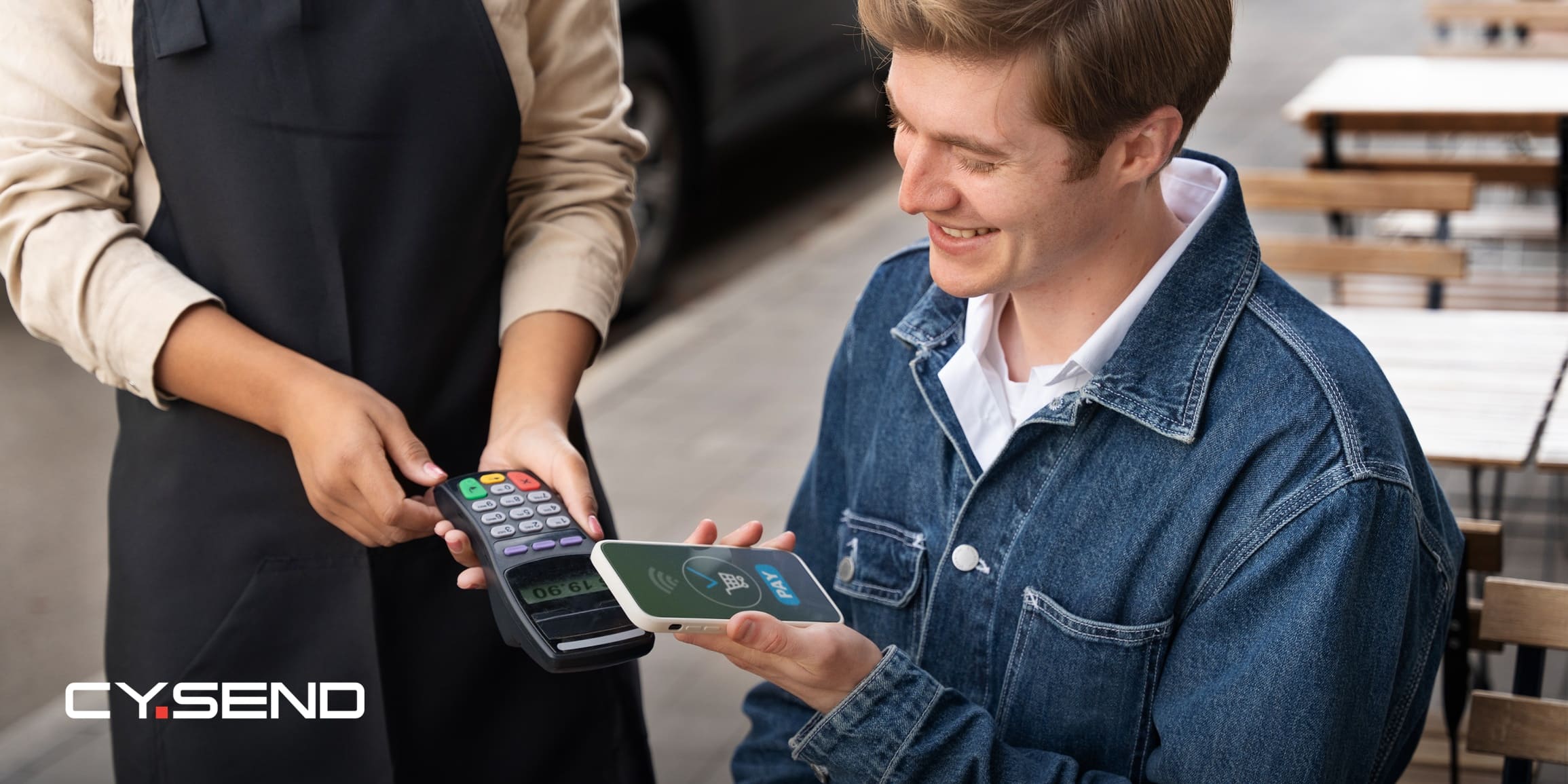
Your smartphone is your new wallet. Before you even arrive, download and set up a few key apps.
Global Wallets: Apple Pay and Google Pay are widely accepted in Italy. You can often link them to your home bank account, but be mindful of potential foreign transaction fees.
Local Champions: For a truly integrated experience, consider Italian favorites like Satispay or Bancomat Pay. These are used everywhere from cafes to supermarkets and allow for direct bank-to-bank transfers, often with lower fees.
Step 2: explore modern prepaid solutions
This is the most powerful tool for anyone without a traditional bank card. Instead of a physical piece of plastic, you're buying digital credit for specific services.
1. Identify Your Needs: Do you need to pay for a subscription service like Netflix, top up a local mobile phone, or shop on an Italian e-commerce site?
2. Find a Trusted Platform: Services like CY.SEND offer a marketplace of digital prepaid products. You can purchase gift cards or vouchers for hundreds of brands, both local and global.
3. Purchase and Redeem: Buy the voucher using your preferred payment method (which could be PayPal or even cryptocurrency) and receive a digital code instantly. Use this code at the checkout of the service you want to pay for.
Quick Win: Need to pay for your phone bill or top up your data? Instead of searching for a physical store, you can buy a prepaid mobile top-up voucher online through a platform like CY.SEND and apply it to your account in seconds. It's a perfect example of solving a real-world problem without needing a local bank card.
Some success stories
Theory is great, but what does this look like in practice? Meet Alex, a freelance designer who moved to Florence for six months.
Real story: Alex the digital nomad
"When I first arrived, my US-based bank card was a nightmare. It was constantly being flagged for fraud, and the fees were adding up. I couldn't even sign up for a gym membership. A friend told me about using digital vouchers. I started using CY.SEND to buy prepaid cards for everything from my Spotify subscription to my weekly grocery shopping online. It was a game-changer. I could finally live like a local without having a local bank account."
Things we recommend you to avoid
Transitioning to a cardless lifestyle is empowering, but there are a few common pitfalls to watch out for. Avoiding these mistakes will save you time, money, and a lot of headaches.
1. Relying on a single app: Don't put all your eggs in one basket. While Satispay might be perfect for your morning coffee, it may not work for a larger online purchase. Have a combination of 2-3 different digital wallets and prepaid services ready to go.
2. Ignoring small fees: A €1 fee here and a 2% commission there may not seem like much, but they accumulate. Always check the fee structure of a service before you commit. Sometimes, buying a larger prepaid voucher less frequently is more cost-effective than many small transactions.
3. Forgetting about epiration dates: Many digital vouchers and prepaid cards have an expiration date. Make a note of it in your calendar to ensure you don't lose your funds.
4. Overlooking security: Use strong, unique passwords for every payment app. Enable two-factor authentication (2FA) whenever possible. Treat your digital wallet with the same security mindset as you would your physical wallet.
For best results
Ready to become a cardless payment pro? These tips will help you get the most out of your new financial toolkit and live like a true local.
Pro tip: The power of the e-gift card
Many large Italian supermarkets and retailers (like Esselunga or Carrefour) offer their own digital gift cards. You can often purchase these online using a broader range of payment methods (like PayPal) and then use them for your in-store shopping. It's a simple, effective workaround.
Plan Your Recurring Payments: For monthly bills like rent or utilities, discuss payment options with the provider. Many will accept a direct SEPA transfer, which can be initiated through modern financial apps like Wise or Revolut, even without a traditional Italian bank account.
Embrace QR Codes: QR code payments are becoming increasingly common in Italy. Get comfortable with using your phone's camera to scan and pay. It's fast, secure, and completely contactless.
Keep a Small Cash Emergency Fund: While the goal is to be cardless and digital, it's always wise to have a small amount of cash (€50-€100) tucked away for those rare situations where technology fails or for very small, independent vendors.
Future trends & considerations
The payment landscape in Italy is not standing still. Looking ahead, we can expect even more innovation that will further empower cardless users.
Open Banking on the Rise: The concept of Open Banking, which allows you to securely share your financial data between banks and third-party providers, is gaining traction. This will lead to more services that can initiate payments directly from your home bank account without needing a card, likely reducing fees and increasing competition.
Biometric Payments: Paying with a fingerprint or facial scan will become more mainstream. This enhances security and makes the payment process even more seamless.
Super-Apps: Expect to see more "super-apps" that combine payments, messaging, and other services into a single platform. This will create a more integrated digital life where managing your money is as easy as sending a text.
Staying informed about these trends will help you adapt and continue to use the best and most cost-effective payment methods available.
FAQ: your questions answered
Here are answers to some of the most common questions about navigating payments in Italy without a bank card.
1. Is it truly possible to live in Italy without a physical bank card?
Yes, absolutely. By combining digital wallets, prepaid services, and modern financial apps, you can handle nearly all of your day-to-day expenses without a traditional card.
2. What are the top 3 must-have payment apps for Italy?
For a good mix of local and global access, consider having PayPal, Satispay, and a service for purchasing digital vouchers like CY.SEND on your phone.
3. Can I use Apple Pay or Google Pay everywhere?
They are widely accepted, especially in cities and larger stores. However, some smaller, local businesses may only accept Italian-specific mobile payments or cash, so it's good to have alternatives.
4. Are prepaid solutions safe?
Yes, they are generally very safe. Since they are not linked to your bank account, the risk is limited to the amount loaded on the voucher. Always buy from reputable sources.
5. How can I pay for public transport without a card?
Most major cities in Italy (like Milan, Rome, and Turin) have apps where you can buy tickets using various digital payment methods. You can also often buy tickets at tobacco shops (tabaccherie) with cash.
6. What if I need to withdraw cash?
This is the main challenge of a truly cardless setup. Some modern financial apps offer cardless ATM withdrawals, but this is not yet widespread. It's the one area where having a linked debit card or a small cash reserve is helpful.
7. Are there any hidden costs with digital wallets?
It depends on the service. Some charge a small percentage for transactions or currency conversion. Always read the terms. Local apps like Satispay often have lower fees for consumers than international credit cards.
8. Can I use these methods to pay for accommodation like Airbnb?
Yes. Airbnb accepts a variety of payment methods, including PayPal and some prepaid cards. Always check the platform's accepted payment options before booking.
9. How can services like CY.SEND help me pay my bills?
While you might not pay a utility bill directly, you can use the platform to purchase e-gift cards for supermarkets where you buy your groceries, or top up your Italian mobile phone plan, freeing up your cash for the bill itself.
10. What's the best way to send money to someone in Italy without a bank account?
Peer-to-peer payments through apps like Satispay or PayPal are very effective. You can often fund your PayPal account in various ways and then transfer the money instantly to the recipient's account.
11. Is it difficult to set up an account with Satispay as a foreigner?
It requires an IBAN (International Bank Account Number), which can be from a modern financial service like Wise or Revolut, not necessarily a traditional Italian bank. This makes it accessible to many expats and digital nomads.
Your path to financial freedom in Italy
Living and traveling without the constraints of a traditional bank card is no longer a futuristic dream; it's a present-day reality. By embracing a flexible, digital-first approach, you can navigate Italy's payment landscape with confidence and ease. It's about choosing the right tools for the right job—whether that's a local mobile app for your daily espresso, a prepaid voucher for your online subscriptions, or a modern financial app for larger transfers.
The key is to shift your mindset from relying on a single piece of plastic to building a resilient, adaptable financial toolkit. You now have the knowledge and the strategy to overcome geographic restrictions, avoid unnecessary fees, and experience Italy on your own terms.