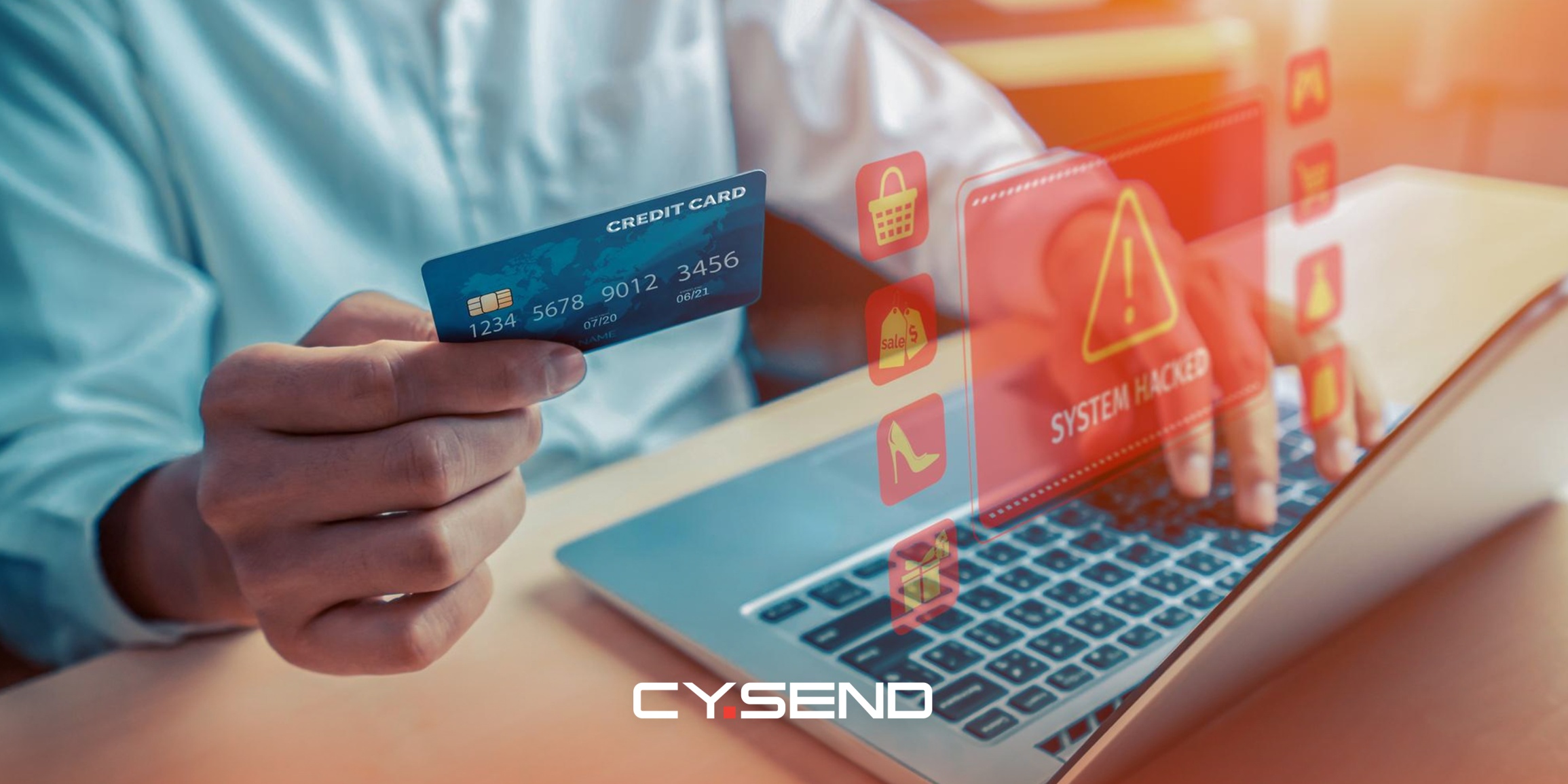
Buying from international retailers, subscribing to global streaming services, or booking accommodations abroad has never been easier. Yet with this convenience comes a sobering reality: payment fraud is surging at an alarming rate. Recent data reveals that 79% of organizations experienced payment fraud attempts in 2024, while cross-border transactions face even higher risks, with 88% of respondents reporting fraud victimization in recent years.
The cost is staggering. Global cybercrime now amounts to approximately $10.5 trillion annually, affecting not just businesses but everyday consumers who simply want to shop internationally or access services from other countries. If you've ever hesitated before entering your card details on an unfamiliar international website, or wondered whether that overseas transaction was truly secure, you're not alone.
This guide will walk you through practical, actionable strategies to protect yourself when making international digital payments—without the jargon, without the fear-mongering, just straightforward advice you can implement today.
The real risks behind international digital payment fraud
Before we dive into solutions, let's understand what we're up against. International payment fraud isn't just about stolen credit cards anymore. Fraudsters have evolved their tactics, exploiting the complexity of cross-border transactions where different currencies, languages, and regulations create perfect opportunities for deception.
The most common threats include phishing scams that mimic legitimate payment pages, business email compromise where fraudsters impersonate vendors or service providers, and synthetic identity theft where criminals create fake identities using a mix of real and fabricated information. What makes international payments particularly vulnerable is the lack of regulatory uniformity across borders—what's protected in one country may be exposed in another.
Pro Tip: Fraudsters often target the "seams" between payment systems—the moment your payment moves from your local bank to an international processor. This is where transaction details can be intercepted or manipulated. Always verify that you're on a secure connection (look for "https://" and a padlock icon) before entering payment information.
Why outdated payment methods increase fraud risk
Many of us still rely on traditional payment methods for international transactions—directly using our credit cards on foreign websites or wiring money through banks. While these methods work, they come with significant limitations that increase fraud risk.
When you enter your card details directly on an international merchant's website, you're trusting that site's security infrastructure. If that site is compromised or fraudulent, your information is immediately at risk. Bank wire transfers, while secure in transit, offer little recourse if you've been tricked into sending money to a fraudulent recipient. Recovery rates tell the story: only 22% of organizations recovered 75% or more of funds lost to payment fraud in 2024, down dramatically from 41% the previous year.
Additionally, traditional methods expose your primary payment credentials repeatedly. Each time you shop internationally, you're creating another potential point of compromise. It's like giving out your house key every time you order delivery—eventually, someone might make a copy.
How modern digital tools protect cross-border payments
The solution isn't to avoid international payments altogether—that would mean missing out on the global marketplace. Instead, modern payment security relies on creating layers of protection between your primary financial accounts and the merchants you're paying.
Think of it like this: instead of handing over your actual house key, you give out temporary access codes that expire after use. This is the principle behind virtual cards, payment intermediaries, and secure payment platforms that act as buffers between your bank account and international merchants.
Services like CY.SEND exemplify this approach by providing virtual payment solutions that allow you to make international purchases without exposing your actual card details. You load funds onto a virtual card or account, use it for your international transaction, and your primary banking information remains completely separate and protected. If that virtual card number is somehow compromised, it doesn't provide access to your main accounts.
Sarah's international shopping experience
Sarah, a graphic designer from Nigeria, wanted to subscribe to design software only available through a US-based platform. Her local bank card kept getting declined due to geographic restrictions. After researching options, she used a virtual payment service to create a US-based virtual card. Not only did her payment go through smoothly, but when the merchant's database was breached six months later, Sarah's actual banking information remained completely secure. The virtual card was simply deactivated and replaced within minutes.
How to protect yourself from payment fraud
Now let's get practical. Here's your action plan for securing international digital payments:
Step 1: Verify the merchant's legitimacy
Before entering any payment information, take five minutes to verify you're dealing with a legitimate business. Check for customer reviews on independent platforms (not just the merchant's own site), look for contact information including a physical address, and verify their business registration if possible. Use tools like Trustpilot, Better Business Bureau, or even a simple Google search for "[company name] scam" to see if red flags appear.
Step 2: Use virtual payment methods
Instead of using your primary credit or debit card, opt for virtual payment solutions. Platforms such as CY.SEND allow you to create virtual cards specifically for international transactions. Load only the amount you need for that specific purchase. This way, even if the card details are compromised, the exposure is limited to that predetermined amount.
Step 3: Enable multi-factor authentication
Wherever possible, enable two-factor authentication (2FA) on your payment accounts. This adds an extra verification step—usually a code sent to your phone—that makes it exponentially harder for fraudsters to access your accounts even if they obtain your password.
Step 4: Monitor transactions in real-time
Set up instant notifications for all transactions on your payment accounts. Most banks and payment platforms offer SMS or app notifications. This allows you to catch fraudulent charges within minutes rather than discovering them weeks later on your statement. The faster you report fraud, the better your chances of recovery.
Step 5: Keep records of everything
For international transactions, maintain detailed records including confirmation emails, receipts, tracking numbers, and screenshots of the merchant's website. If you need to dispute a charge or report fraud, this documentation becomes invaluable evidence.
Quick win: Immediate action you can take today
Right now, check your bank or credit card app and enable transaction notifications if you haven't already. This single action takes less than two minutes and immediately improves your fraud detection capability. Most fraud is caught by vigilant customers, not automated systems.
How users stay safe when sending money abroad
The strategies outlined above aren't theoretical—they're being used successfully by millions of people making international payments every day.
Consider Marcus, a freelance developer from South Africa who regularly pays for international software subscriptions and cloud services. After his card was declined multiple times due to geographic restrictions and his bank flagged legitimate transactions as suspicious, he switched to using virtual payment cards. Now he maintains separate virtual cards for different subscription services. When one service experienced a data breach, Marcus simply deactivated that specific virtual card and created a new one—his main account was never touched, and he experienced zero financial loss.
Or take Priya, a small business owner in India who sources inventory from international suppliers. She was initially hesitant about making large payments to overseas vendors she'd never met in person. By using payment platforms that offer buyer protection and transaction monitoring, she's now confidently conducting international business. The key was finding a payment method that provided both flexibility and security—something traditional bank transfers couldn't offer.
These aren't isolated cases. The common thread is that people who successfully avoid payment fraud don't rely on luck—they use systematic approaches and modern tools designed specifically for secure international transactions.
Common mistakes that increase payment fraud risk
Even with the best intentions, certain habits can undermine your payment security. Here are the most common mistakes people make when conducting international digital payments:
Mistake #1: Using public Wi-Fi for payments
That coffee shop Wi-Fi might be convenient, but it's also potentially a goldmine for hackers. Public networks are notoriously insecure, and cybercriminals can intercept data transmitted over them. If you must make a payment while away from home, use your mobile data connection instead, or wait until you're on a secure, private network.
Mistake #2: Ignoring small unauthorized charges
Fraudsters often test stolen card information with small charges—sometimes just a dollar or two—to see if the card is active before making larger purchases. Never ignore or dismiss small unauthorized charges. Report them immediately. They're often the canary in the coal mine signaling that your card information has been compromised.
Mistake #3: Saving card information on multiple sites
While it's convenient to save your payment information for "faster checkout next time," each site that stores your card details is a potential breach point. For international or infrequently-used merchants, manually enter your payment information each time, or better yet, use a virtual card that you can easily deactivate.
Mistake #4: Falling for "Too good to be true" deals
If an international merchant is offering prices dramatically lower than competitors, there's usually a reason. Fraudulent websites often lure victims with impossibly good deals. They collect payment information, send nothing or counterfeit goods, and disappear. Always research unfamiliar merchants before purchasing, regardless of how attractive the price seems.
Common myth debunked: "My bank will always protect me"
Many people believe that if fraud occurs, their bank will automatically refund their money. While many banks do offer fraud protection, it's not universal or guaranteed—especially for international transactions. Banks often have strict timeframes for reporting fraud (sometimes as short as 60 days), and they may deny claims if they determine you were negligent with your account security. Your first line of defense is prevention, not relying on after-the-fact protection.
How to keep your cross-border transactions secure
Beyond the basics, here are advanced strategies that security experts recommend for maximizing your protection:
Pro Tip #1: Create a dedicated email for financial transactions
Use a separate email address exclusively for financial accounts and payment platforms. This reduces your exposure to phishing attacks, as you'll immediately know that any financial-related email sent to your primary address is likely fraudulent. It also helps you organize and track all payment-related communications in one place.
Pro Tip #2: Use password managers with unique passwords
Never reuse passwords across financial accounts. Use a reputable password manager to generate and store unique, complex passwords for each payment platform. If one site is breached, your other accounts remain secure. This is especially critical for international payment platforms where you may be less familiar with the company's security practices.
Pro Tip #3: Understand currency conversion fees
While not directly fraud-related, hidden currency conversion fees can significantly increase costs on international payments. Some payment intermediaries offer better exchange rates than traditional banks. Platforms like CY.SEND often provide transparent fee structures and competitive exchange rates, helping you avoid the "hidden tax" of poor currency conversion while maintaining security.
Pro Tip #4: Regularly review connected apps and services
Periodically audit which apps and services have access to your payment accounts. Remove access for any you no longer use. Many payment platforms allow third-party integrations, and each connection is a potential security vulnerability. A quarterly review takes just minutes and significantly reduces your attack surface.
The future of secure international digital payments
The landscape of international payment security is evolving rapidly, and staying informed about emerging trends helps you stay ahead of new threats.
Artificial Intelligence and Machine Learning are becoming increasingly important in fraud detection. Payment platforms now use AI to analyze transaction patterns in real-time, identifying suspicious activity that would be impossible for humans to catch. As a consumer, this means choosing payment providers that invest in these technologies gives you an additional layer of protection.
Biometric Authentication is moving beyond fingerprints to include facial recognition, voice authentication, and even behavioral biometrics that analyze how you type or hold your device. While these technologies raise privacy considerations, they also make it significantly harder for fraudsters to impersonate you.
Blockchain and Cryptocurrency are creating new payment rails for international transactions. While still emerging, these technologies offer potential benefits like transparency and reduced intermediary fees. However, they also come with their own fraud risks, particularly around unregulated exchanges and irreversible transactions.
Regulatory Harmonization is slowly improving as countries recognize the need for consistent cross-border payment standards. Initiatives like the EU's Payment Services Directive and similar frameworks in other regions are making international payments more secure by establishing baseline security requirements.
The key takeaway? The tools and technologies for secure international payments will continue improving, but so will the sophistication of fraud attempts. Staying educated and adapting your security practices accordingly is not a one-time task but an ongoing commitment.
FAQ: Your Questions Answered
What's the safest way to make an international online purchase?
The safest approach is using a virtual payment card or intermediary service that doesn't expose your primary banking information. Verify the merchant's legitimacy first, ensure you're on a secure connection (https://), and enable transaction notifications so you're immediately alerted to any charges.
How quickly should I report suspected fraud?
Immediately. Most financial institutions have strict reporting windows—often 60 days or less—for fraud claims. The sooner you report, the better your chances of recovery and preventing additional fraudulent charges. Contact your bank or payment provider as soon as you notice anything suspicious.
Are virtual payment cards really more secure than regular cards?
Yes, because they create a layer of separation between the merchant and your primary accounts. If a virtual card number is compromised, you can deactivate it without affecting your main bank account. Many services, including platforms like CY.SEND, allow you to create single-use or limited-balance virtual cards specifically for international transactions.
What should I do if my card is declined for an international purchase?
First, contact your bank—they may have flagged it as suspicious and blocked it for your protection. If geographic restrictions are the issue, consider using a payment intermediary designed for international transactions. These services can help you bypass location-based payment blocks while maintaining security.
How can I tell if an international website is legitimate?
Check for several indicators: a secure connection (https:// and padlock icon), detailed contact information including physical address, customer reviews on independent platforms, clear return and refund policies, and professional website design. Be wary of sites with spelling errors, unrealistic prices, or pressure tactics urging immediate purchase.
Is it safe to save my card information on international websites?
It's generally safer not to, especially for sites you don't use frequently. Each stored location is a potential breach point. If you do save information, use virtual card numbers rather than your primary card, and regularly audit which sites have your payment information stored.
What's the difference between a chargeback and a refund?
A refund is when the merchant voluntarily returns your money. A chargeback is when you dispute the charge with your bank or card issuer, who then investigates and potentially reverses the transaction. For international purchases, always attempt to resolve issues with the merchant first, but don't hesitate to file a chargeback if you've been defrauded.
Do I need special protection for subscription services from other countries?
Recurring international subscriptions deserve extra attention because they involve ongoing access to your payment information. Use virtual cards with spending limits, set calendar reminders to review subscriptions quarterly, and immediately cancel any you no longer use. This prevents both fraud and unwanted charges from services you've forgotten about.
Are payment apps like PayPal safe for international transactions?
Established payment intermediaries like PayPal, Stripe, and similar services generally offer good security and buyer protection for international transactions. They act as buffers between you and the merchant. However, always enable all available security features like two-factor authentication, and be aware that protection policies vary by transaction type.
What if I need to make regular international payments for business?
For regular business payments, consider dedicated business payment platforms that offer enhanced security features, detailed transaction records, and better exchange rates. Services like CY.SEND provide business-focused solutions with fraud protection, compliance tools, and the ability to manage multiple payment methods from a single dashboard.
How do I protect myself from phishing scams related to international payments?
Never click links in unexpected emails about payments or account issues. Instead, manually type the website address into your browser or use a bookmarked link. Verify sender email addresses carefully (fraudsters often use addresses that look similar to legitimate ones), and remember that legitimate payment companies will never ask for your full password or PIN via email.
What's the best way to handle currency conversion for international payments?
Compare exchange rates and fees across different payment methods. Your bank's currency conversion is often not the best rate. Specialized payment platforms typically offer more competitive rates and transparent fee structures. Always choose to pay in the merchant's local currency rather than your own—dynamic currency conversion at checkout usually offers worse rates.
Take control of your international payment security
The global marketplace offers incredible opportunities—access to products, services, and experiences that simply weren't available to previous generations. But with that access comes responsibility for your own security.
The good news? Protecting yourself from international payment fraud doesn't require technical expertise or expensive tools. It requires awareness, the right habits, and smart use of available security features. By implementing the strategies outlined in this guide—using virtual payment methods, verifying merchants, enabling multi-factor authentication, and staying vigilant—you dramatically reduce your fraud risk.
Remember that payment security is not a destination but a journey. Threats evolve, technologies improve, and your practices should adapt accordingly. Stay informed, remain skeptical of deals that seem too good to be true, and never hesitate to ask questions or seek clarification before making a payment.
The world is more connected than ever. With the right precautions, you can confidently participate in the global economy without compromising your financial security. Start with one or two changes today—enable transaction notifications, create a virtual card for your next international purchase, or simply take five minutes to verify a merchant before buying. Small steps lead to significant protection.