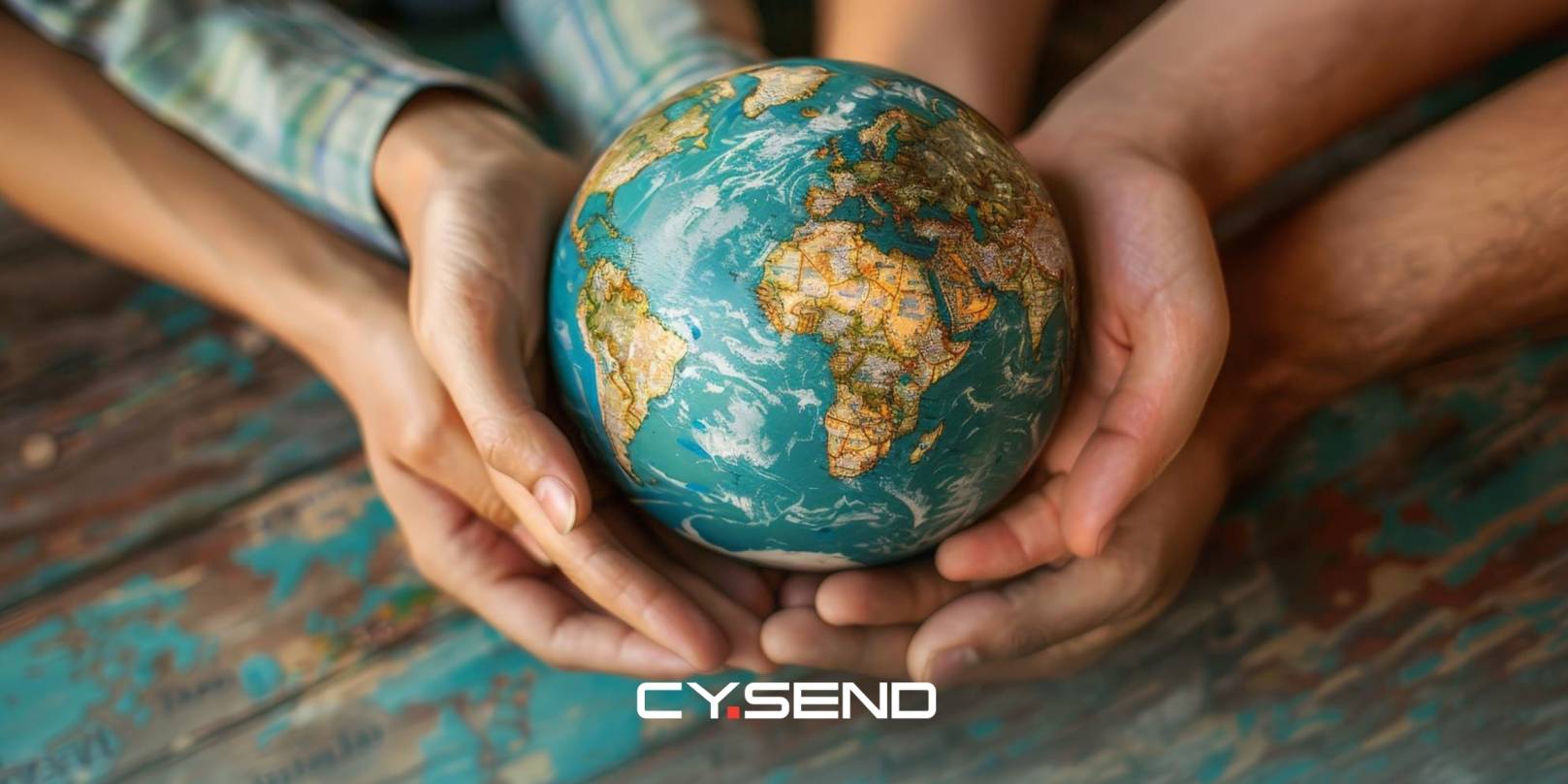
In today's connected world, a headline about a natural disaster in Southeast Asia or a humanitarian crisis in Africa can feel both a world away and deeply personal. You see the news, you feel the pull to help, and you reach for your wallet. But then the friction starts. Which organization is legitimate? Will my donation get eaten up by foreign transaction fees? Is my card even accepted?
For digital nomads and international travelers, this isn't just a hypothetical. You're constantly navigating a world of different currencies, banking systems, and online services. The desire to contribute to a cause you care about is strong, but the practical hurdles can be frustratingly high. This article is for you. We'll break down the real problems with cross-border giving and offer modern, actionable solutions to help you make a difference, wherever you are.
The real challenges of supporting NGOs across borders
The fundamental challenge isn't a lack of generosity; it's a problem of financial plumbing. Traditional banking systems weren't built for a borderless world. When you try to send $50 from your US bank account to a small environmental NGO in Brazil, that money goes on a complex journey, bouncing between correspondent banks, each taking a small cut. This "revenue leakage" means less of your money reaches the people you intend to help.
This issue is compounded by a lack of transparency. Banks often aren't required to disclose the full cost of a transaction upfront, including hidden currency conversion markups. What looks like a simple donation can end up costing you—and the charity—more than you expected.
The limits of offline giving in international support
For years, the standard advice for international donations has been to use wire transfers or donate through large, international charities with local branches. While these methods have their place, they come with significant drawbacks for the modern global citizen.
| Challenge | Impact |
|---|---|
| High Fees | International wire transfers often cost $25-$50, making them impractical for smaller donations |
| Slow Processing | Wire transfers can take days to clear, not ideal in urgent situations |
| Currency Volatility | Exchange rates fluctuate between sending and receiving, creating uncertainty |
| Limited Reach | Large intermediaries may not reach specific grassroots organizations |
How digital tools make global giving easier
Thankfully, financial technology has evolved. A new generation of digital payment solutions is making it easier, cheaper, and faster to send money across borders. These platforms leverage technology to bypass the old, inefficient banking rails, offering a more direct path for your donation.
Services like Wise (formerly TransferWise), Remitly, and even some features within PayPal have made significant strides. They often provide clearer fee structures and more competitive exchange rates. Another powerful tool in this space is the use of virtual cards, which are digital-only cards that can be created instantly and used for online payments.
Quick win: your first step
Before your next trip, set up an account with a multi-currency digital banking service. This will give you a flexible tool for managing money in different currencies and can be a great first step towards more efficient international spending and donating.
How to donate to an NGO abroad
Ready to make a difference? Here's a practical, step-by-step guide to supporting an international NGO using modern tools.
- Vet the organization: Before you donate, do your due diligence. Use charity evaluators like Charity Navigator or GiveWell to check the NGO's legitimacy and financial health. Look for transparency in their financial reporting and clear project updates.
- Choose your payment method: Instead of reaching for your home bank's debit card, consider a digital-first option. Platforms like CY.SEND offer a way to send specific value, like mobile top-ups or gift cards for local services, which can be a highly effective and direct way to provide support.
- Use a virtual card for security: For direct online donations, create a single-use virtual card. Services like Revolut or Privacy.com allow you to generate a new card number for each transaction. This protects your primary bank details and adds a layer of security.
- Check the fees and exchange rate: Always use a service that shows you the total cost upfront. Look for a clear breakdown of the transaction fee and the exchange rate you're getting. Compare it to the mid-market rate (the real rate you see on Google) to understand the true cost.
- Send a test donation: If you're supporting a new organization, consider sending a small initial amount to test the process and ensure the funds are received correctly.
Pro tip: localized giving
Sometimes the most effective way to help is by providing access to local services. Instead of sending cash, which can lose value in conversion, consider using a service that allows you to purchase a gift card for a local supermarket or pay a utility bill directly for the NGO. This ensures 100% of the value reaches its intended target.
How donors are making a global impact from home
Real story: supporting education in Uganda
The Rock of Joy Trust, a UK-based charity, was losing a significant portion of their donations to high fees when converting pounds to Ugandan shillings. By switching to a modern currency exchange platform, they saved a substantial amount on foreign exchange costs, allowing them to provide more resources to the 1,600 children they support.
This isn't an isolated case. Digital nomads are using these tools every day. One traveler in Thailand used a virtual card to donate to a local animal shelter that couldn't accept foreign credit cards. Another in Colombia used a mobile money service to send funds directly to a community project, bypassing the banking system entirely.
Common mistakes when supporting NGOs internationally
Navigating the world of international donations can be tricky. Here are a few common pitfalls to watch out for:
| Mistake | Why It Matters |
|---|---|
| Ignoring "hidden" fees | Currency conversion markup is often where companies make money. A "zero-fee" transfer might have a poor exchange rate |
| Using public Wi-Fi | Always use a secure, private connection or VPN when making financial transactions online |
| Unverified individuals | Be wary of personal pleas on social media unless you can independently verify the person and their need |
Common myth: "It's too complicated to donate internationally."
While it used to be, this is no longer true. With the right tools, donating to an NGO in another country can be as simple as ordering a pizza online. The key is to move beyond your traditional bank and embrace the digital solutions built for our globalized world.
How to support NGOs worldwide more effectively
Here are some insider strategies to maximize the impact of your international giving:
Bundle your donations: If you plan to support an organization regularly, consider making larger, less frequent donations to minimize the impact of per-transaction fees.
Follow the NGO on social media: This is a great way to stay connected to their work and see the real-world impact of your contributions.
Ask about their preferred method: Don't hesitate to contact the NGO and ask how they prefer to receive funds. They may have a specific platform that is most cost-effective for them.
The future of global giving and cross-border donations
The world of cross-border payments is constantly evolving. We're seeing the rise of blockchain and cryptocurrencies as potential channels for even more transparent and low-cost donations. While still in its early stages, this technology holds the promise of a future where donations can be tracked from sender to recipient in real-time, with minimal fees.
As digital nomads and global citizens, staying informed about these trends will empower you to make your generosity go further. The tools will change, but the human desire to connect and support one another will always remain.
FAQ: your questions answered
How can I be sure an NGO is legitimate?
Use reputable charity evaluators like Charity Navigator, GiveWell, or the local equivalent in the country you're interested in. Look for financial transparency and regular project updates on their website.
What's the cheapest way to donate internationally?
This depends on the amount and destination, but generally, digital payment platforms offer lower fees and better exchange rates than traditional banks. Always compare the total cost, including fees and currency conversion.
Can I get a tax deduction for a foreign donation?
This is complex and varies by country. In the US, for example, you generally cannot deduct contributions made directly to foreign organizations. However, you may be able to donate through a US-based "friends of" organization.
Are virtual cards safe?
Yes, they are one of the safest ways to pay online. Since they are not linked to your main bank account and can often be set as single-use, they significantly reduce the risk of fraud.
What if an NGO doesn't have an online donation page?
This is where services like CY.SEND can be particularly useful. You can often send value in the form of mobile top-ups or gift cards for local merchants, which can be just as valuable as cash.
How do I avoid high currency conversion fees?
Use a multi-currency account or a service that gives you the mid-market exchange rate. Avoid letting your home bank do the conversion, as they typically add a significant markup.
What are donor-advised funds (DAFs)?
DAFs are like charitable investment accounts. You can contribute to the fund and then recommend grants to your chosen charities over time. Some DAFs specialize in international giving.
Is it better to donate in my currency or the local currency?
It's often better for the charity if you donate in their local currency, as it removes the uncertainty of exchange rate fluctuations for them. A good payment service will handle the conversion for you transparently.
How can platforms like CY.SEND help?
They provide a way to send direct, practical support. Instead of cash, which can be subject to fees and conversion costs, you can send a mobile recharge that an NGO worker can use immediately, or a grocery voucher for a community kitchen.
What's the single most important thing to remember?
Your desire to help is powerful. Don't let outdated financial systems discourage you. With a little research and the right modern tools, you can make a meaningful impact on causes you care about, no matter where you are in the world.
Ready to make a difference? Explore how digital solutions can help you support the causes you care about.