Best tricks for traveling cheap in February
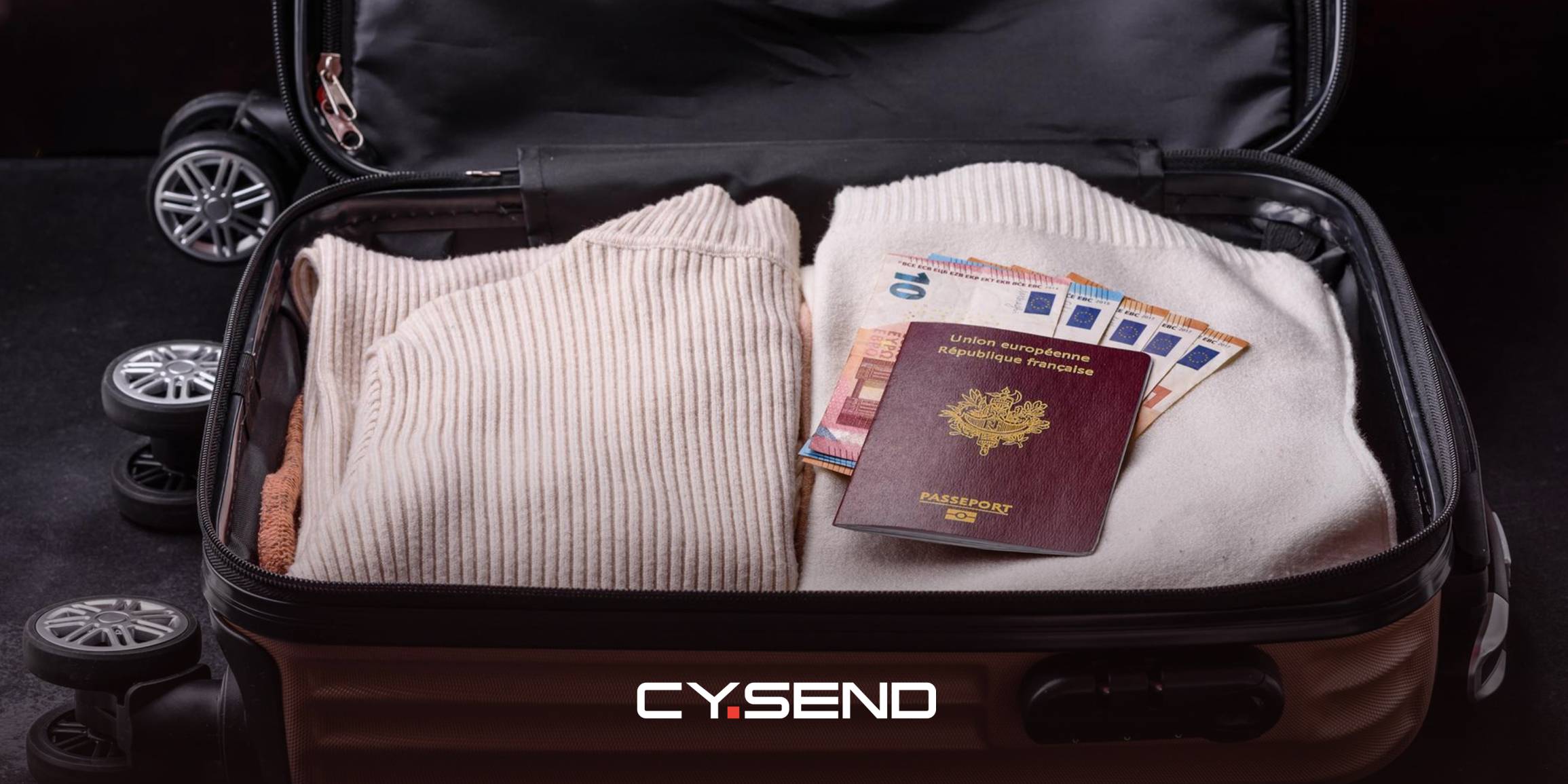
In today's connected world, the dream of a spontaneous winter getaway often crashes into a wall of frustrating financial realities. You find an amazing flight deal, picture yourself escaping the winter gray, but then the hidden costs start piling up. A 3% foreign transaction fee on your morning coffee, your favorite ride-sharing app suddenly blocked in your new location, and the headache of juggling different currencies—it's enough to make anyone rethink their plans. What if you could embrace the freedom of travel without the financial friction?
The real secret to affordable travel: understanding the "why"
February isn't just another cold month; it's a strategic traveler's best-kept secret. It represents a unique "shoulder season" nestled between the chaotic holiday rush of December and the impending spring break surge in March. Airlines and hotels, facing a predictable dip in demand, slash prices to fill empty seats and rooms. Data shows that travelers can find savings of 20% to 40% on flights compared to peak holiday fares. It's not about finding a magical, unknown destination; it's about timing your visit to a great destination perfectly.
This period is a sweet spot where you get all the benefits of a location—be it the mild winter sun of Lisbon or the vibrant street life of Mexico City—without the crowds and inflated costs. The key is to act before the market shifts, as this window of opportunity can be brief.
Why your usual travel money habits don't work
We're used to tapping our cards without a second thought at home, but that convenience comes at a price abroad. Most standard bank cards tack on a foreign transaction fee, typically 1-3% of every purchase. It sounds small, but it adds up quickly, turning your $5 latte into a $5.15 one, and your $100 dinner into $103. This is essentially a penalty for spending your own money in a different country.
Beyond fees, you face the challenge of service accessibility. Many digital services, from streaming platforms to essential local apps for transport and food delivery, are geo-restricted. You land in a new country only to find your familiar tools are useless, forcing you into more expensive and less convenient alternatives.
Common myth: "My bank gives a good exchange rate"
A common misconception is that the exchange rate your bank offers is the best you can get. Often, banks build a markup into the rate on top of other fees. This means you're losing money on the conversion itself, even before any transaction fees are applied. True savings come from minimizing these hidden costs at every step.
A modern approach to global spending
Instead of relying on outdated banking systems, savvy modern travelers leverage a toolkit of digital solutions designed for a borderless world. The goal is to maintain financial control and convenience, no matter where you are. This involves using a combination of fee-free cards, multi-currency accounts, and flexible payment platforms.
This is where thinking outside the traditional banking box pays off. For instance, what if you need to access a local service immediately but don't have a local payment method set up? Instead of a complicated bank transfer, you could use a service to send a digital gift card for that specific service. Platforms like CY.SEND are built for this kind of cross-border flexibility, allowing you to top up mobile data or access local services instantly.
Step-by-step: your playbook for a cheap February trip
Getting the best value isn't about luck; it's about strategy. Follow this order of operations to lock in the best prices.
- Lock in flights first: Flight prices are the most volatile part of your budget. Monitor fares and book when you see a dip. Don't wait for hotel deals to appear, as flights have a bigger impact on the total cost.
- Choose a strategic home base: Instead of hopping between cities, pick one walkable neighborhood with great public transport. This drastically cuts down on daily transportation costs. Destinations like Lisbon's Arroios district or Mexico City's Roma are perfect examples.
- Book one anchor experience: Pre-book one must-do tour or activity, but keep the rest of your itinerary flexible. This leaves room for spontaneous discoveries and avoids the trap of an over-scheduled, expensive trip.
- Stay connected smartly: Don't rely on expensive airport SIM cards or your home provider's roaming plans. Arrive with a plan. Use an eSIM for instant data access or have a local SIM top-up ready to go. This connectivity is crucial for on-the-go bookings and navigation.
Quick win:
Before you go, download the offline map for your destination on your preferred maps app. It's a lifesaver for navigation when you first land and don't have an internet connection.
Real story: A digital nomad's February in Vietnam
"I spent last February working from Hanoi. My US credit card was great for big purchases, but useless for the amazing street food stalls that are cash-only. My bank charged a fortune for ATM withdrawals. A friend showed me how I could use a service like CY.SEND to send a digital voucher to a local e-wallet. It was a game-changer for daily expenses and felt like a real travel hack."
The "don'ts" for cheap travel in February
Waiting for a last-minute deal: While they exist, the best February deals are typically found 1-3 months in advance, especially for international flights.
Ignoring daily costs: A cheap flight means nothing if you're spending $50 a day on taxis. Prioritize destinations with affordable food and walkable layouts like Porto, Portugal, or Chiang Mai, Thailand.
Falling for resort "deals": All-inclusive resorts can seem cheap upfront, but they lock you into their ecosystem of overpriced tours and food. Independent travel almost always offers better value and a more authentic experience.
Pro tip:
Always choose to be charged in the local currency when using a card abroad. If you choose to be charged in your home currency, the merchant applies their own (usually unfavorable) exchange rate through a process called Dynamic Currency Conversion.
Tips for the best results
To truly maximize your savings, think like a local. Eat where they eat, go where they go. Some of the best travel experiences, like exploring a neighborhood market or watching the sunset from a public viewpoint, are often free.
Consider destinations that are warm but not yet in their peak season. Places like Mérida, Mexico, or Cartagena, Colombia, offer incredible warmth and culture in February without the spring break crowds and prices. For a European escape, cities like Budapest are fantastic, as their appeal is centered around indoor experiences like thermal baths and cozy cafes, making the winter weather part of the charm.
The rise of off-season travel
The way we travel is evolving. With rising costs and the flexibility of remote work, travelers are increasingly looking for value outside of the traditional peak seasons. A recent Skyscanner report found that 87% of travelers are now seeking cost savings through off-season trips. This shift means that the deals in shoulder seasons like February may become more competitive over time. The smart traveler who acts now will reap the biggest rewards.
FAQ: your questions answered
1. What are the absolute cheapest countries to visit in February?
For the lowest daily costs, destinations in Southeast Asia like Vietnam, Thailand, and Cambodia are consistently top-tier. In Latin America, Mexico and Guatemala offer incredible value.
2. How far in advance should I book flights for February travel?
For the best balance of price and availability, aim to book international flights 2-4 months in advance and domestic flights 1-3 months out.
3. Is it better to use cash or card when traveling?
A mix is best. Use a no-foreign-transaction-fee credit card for major purchases (hotels, flights) and use cash withdrawn from a low-fee debit card for smaller, local expenses.
4. How can I avoid my phone's roaming charges?
The best option is an eSIM, which you can install digitally before you even leave home. Alternatively, you can buy a local SIM card upon arrival for the best rates.
5. Are there any warm places in Europe in February?
Yes! Spain's Canary Islands, like Gran Canaria, offer pleasant, spring-like weather. Southern Portugal (the Algarve) and Cyprus are also good options for milder temperatures.
6. My favorite app is blocked. How can I get around this?
A VPN (Virtual Private Network) is the easiest way to bypass geo-restrictions. It routes your internet connection through a server in another country, making it appear as if you are there.
7. What's the best way to pay for a local service if I don't have a local bank account?
This is a common challenge. Platforms such as CY.SEND can be a great solution, allowing you to buy gift cards or top-ups for thousands of local services worldwide using your home currency.
8. Is travel insurance necessary for a short trip?
Absolutely. Even on a short trip, unexpected medical emergencies or cancellations can be financially devastating. It's a small price to pay for significant peace of mind.
9. How do I find authentic, non-touristy food?
Look for places with no English menus, follow the lunch crowds of office workers, and don't be afraid to explore street food stalls. These are often the most delicious and affordable meals.
10. Should I exchange currency before I leave?
Generally, no. Airport exchange counters offer the worst rates. It's better to withdraw a small amount of cash from an ATM upon arrival and then use a fee-free card for most of your spending.
11. Are there any current promotions for booking travel?
Yes, there are often exclusive promotions that can make spontaneous trips more affordable. For example, a current promotion from lastminute.com offers UK residents benefits like a free gift card and a discount on travel bookings until March 31, 2026. You can check their latest offer for full details.