Curious New Year traditions from around the world
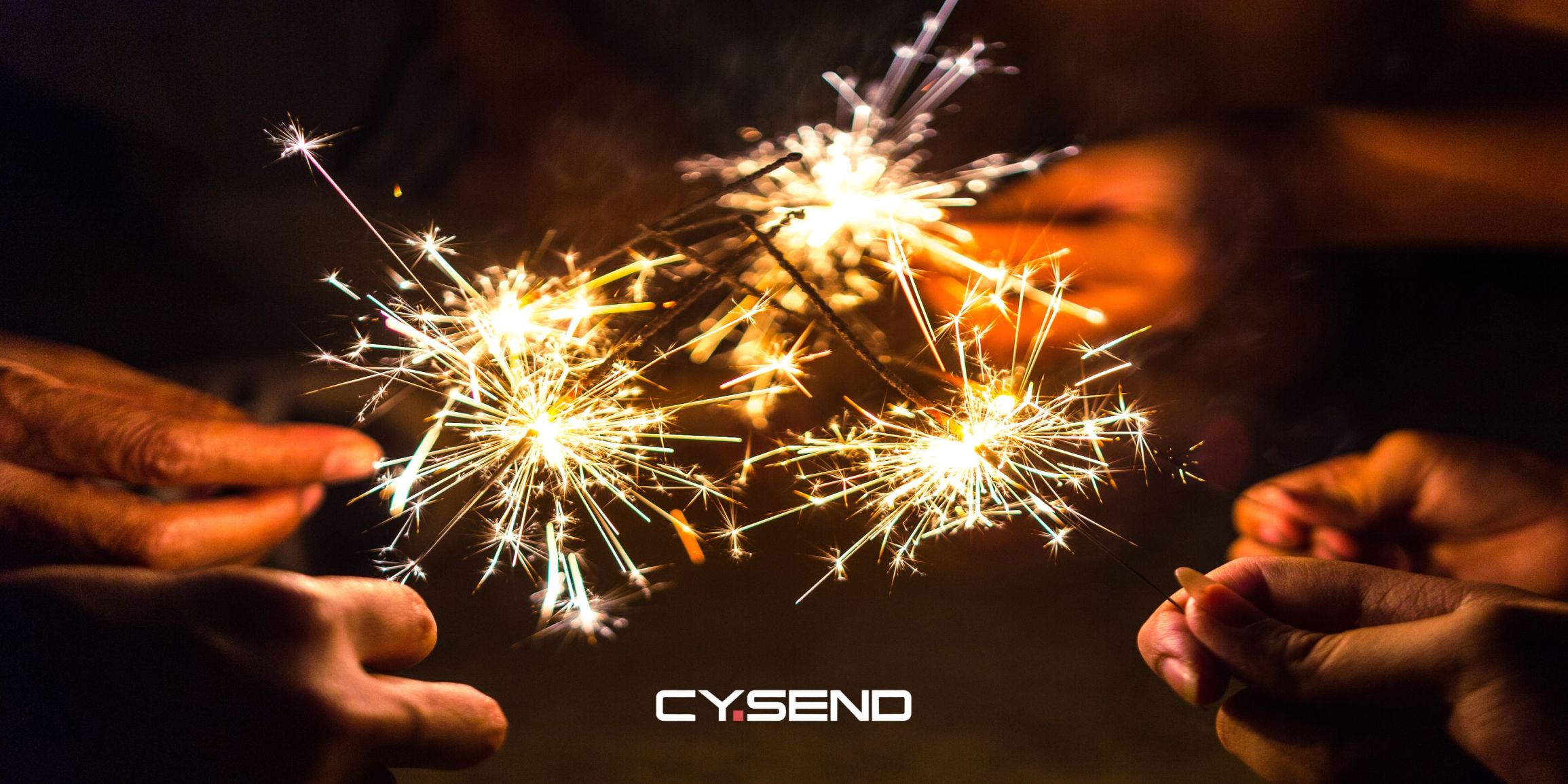
Across the globe, the arrival of a new year is more than a change of date. It is a shared human moment marked by hope, reflection, and small rituals meant to invite good fortune. From quiet spiritual ceremonies to joyful public celebrations, New Year traditions reveal how cultures interpret renewal, luck, and connection.
For globally minded people who value culture, travel, and meaningful experiences — like the CY.SEND community — these rituals are a reminder that even in a digital world, traditions continue to connect us across borders.
Europe: Symbolism, food, and fortune
Spain: Eating 12 grapes at midnight
In Spain, New Year’s Eve means eating 12 grapes, one with each stroke of the clock at midnight. Each grape represents a wish or month of good luck. The tradition dates back to the early 20th century and remains a lighthearted yet meaningful ritual practiced across the country.
Denmark: Jumping into the New Year
Danes quite literally jump into the new year. Standing on chairs and leaping down at midnight symbolizes leaving bad luck behind and entering the coming year on a positive note.
Greece: Breaking a pomegranate
In Greece, families smash a pomegranate at their front door just after midnight. The number of seeds that scatter is believed to represent abundance and prosperity for the year ahead.
Scotland: First-footing
Hogmanay, Scotland’s New Year celebration, includes first-footing. The first person to enter a home after midnight brings symbolic gifts like coal, bread, or whisky to ensure warmth, food, and good cheer.
Asia: Spiritual Cleansing and Prosperity
Japan: 108 temple bells
In Japan, Buddhist temples ring bells 108 times in a ceremony called Joya no Kane. Each bell represents a human desire to be released, allowing people to enter the new year with clarity and peace.
Philippines: Round fruits for wealth
Filipino families display 12 round fruits on their tables, symbolizing prosperity. Circular shapes are associated with coins, making this a visual wish for financial abundance.
China: Red and renewal
Although Chinese New Year follows the lunar calendar, the themes are universal: red decorations for luck, family gatherings, and symbolic foods meant to bring harmony and success.
Latin America: Fire, Movement, and Hope
Ecuador: Burning the “Año Viejo”
In Ecuador, people burn large effigies known as Año Viejo, representing the past year. The ritual is meant to release negative experiences and start fresh.
Mexico, Colombia and other countries in Latin America: Walking with suitcases
Walking around the block with an empty suitcase is believed to attract travel in the coming year — a playful ritual that resonates strongly with frequent travelers.
Brazil: Seven ocean waves
On Brazil’s beaches, people dressed in white jump over seven waves, making a wish with each one. The ocean is seen as a source of spiritual renewal.
Africa & Beyond: Community and Reflection
South Africa: New beginnings
In some communities, New Year traditions focus on cleaning homes and public spaces, reinforcing the idea that renewal begins with one’s environment.
Australia: Fireworks and togetherness
Australia welcomes the new year with iconic fireworks, especially in Sydney. The emphasis is on community, shared celebration, and optimism.
Why these rituals still matter
Despite cultural differences, New Year rituals share common themes: letting go, inviting luck, and reconnecting with others. In a hyperconnected world, these traditions remind us that meaningful moments often come from simple, symbolic acts.
For those inspired to experience these traditions firsthand, platforms like lastminute.com make it easier to turn cultural curiosity into real-world experiences.
A Shared global moment
Whether through grapes, bells, waves, or fire, New Year rituals show that across continents, people share similar hopes. At CY.SEND, we believe these shared moments — cultural, human, and global — are what truly connect us.
Different traditions. Shared beginnings.