Digital payment security tips: protect your money online
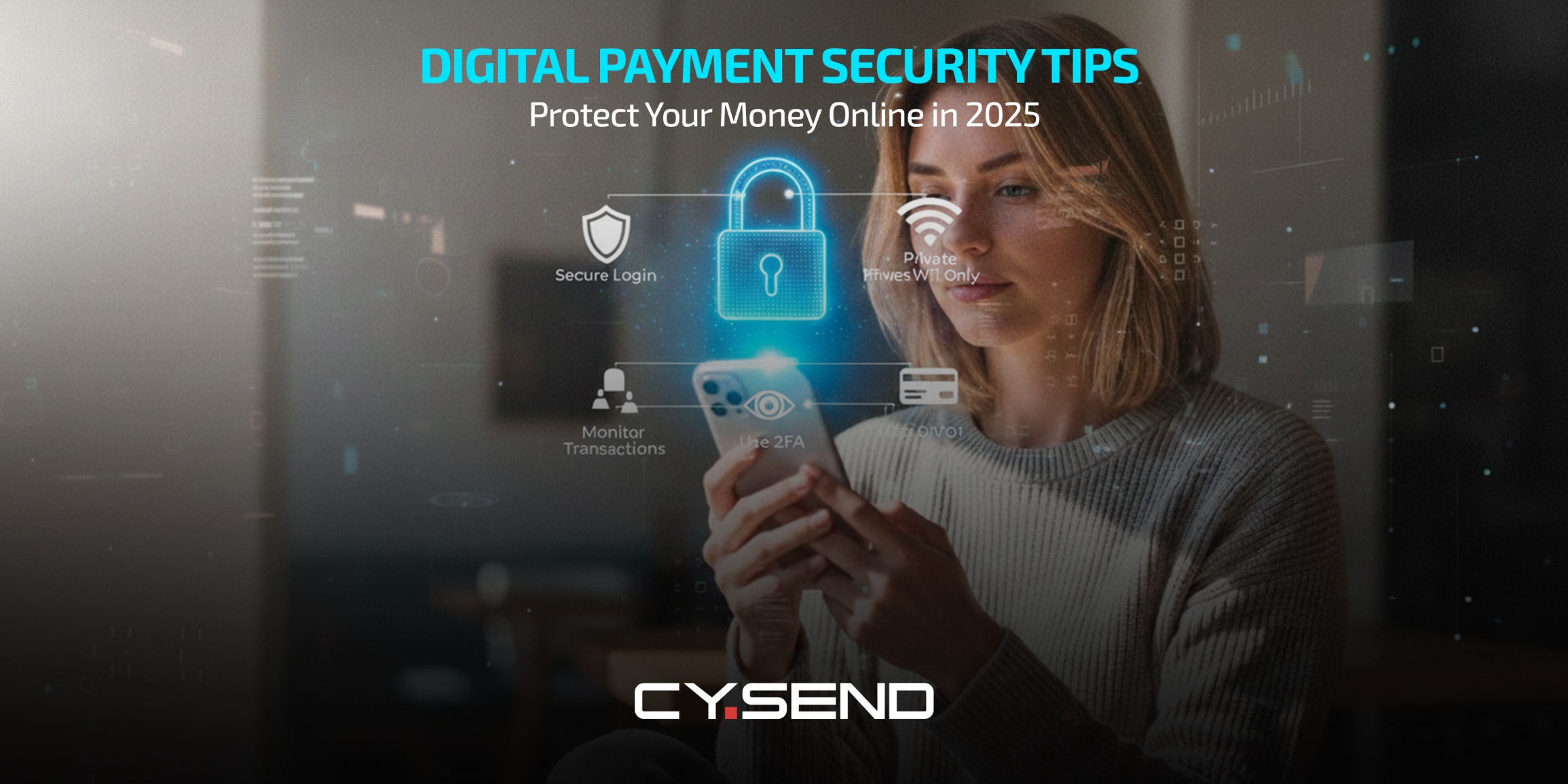
In today's fast-paced digital world, managing your finances online has become second nature. Whether you're paying utility bills, splitting dinner costs with friends, or shopping online, digital payments offer unmatched convenience. However, with the digital payments market projected to reach over $20 trillion in 2025, cybercriminals are becoming increasingly sophisticated in their attempts to steal your hard-earned money. The reality is sobering: global payment fraud losses surged to over $16.6 billion in 2024, marking a 33% increase from the previous year. Understanding how to protect yourself is no longer optional—it's essential.
The growing challenge of digital payment security
Every day, millions of people face a common dilemma: they want the convenience of digital payments but worry about security risks. Sarah, a busy professional, recently experienced this firsthand when she received a text message claiming to be from her bank, urgently requesting her to verify a suspicious transaction. The message looked legitimate, complete with official branding and a link to what appeared to be her bank's website. Fortunately, Sarah paused before clicking and contacted her bank directly, discovering it was a sophisticated phishing attempt designed to steal her login credentials.
Stories like Sarah's are becoming increasingly common as cybercriminals employ advanced tactics including artificial intelligence-driven fraud, deepfake scams, and targeted phishing campaigns. The challenge isn't just about having secure technology—it's about understanding practical steps you can take to protect your financial information in everyday situations. Let's look at some actions that built-in security features that work seamlessly while you focus on managing your money.
Essential security practices for everyday digital payments
Protecting your digital payments doesn't require technical expertise. Rather, it demands consistent application of proven security practices that address the most common vulnerabilities. The foundation of digital payment security rests on several key pillars that work together to create multiple layers of protection.
The first and most critical step is implementing strong password management. Your password serves as the primary barrier between your money and potential thieves. A robust password should contain at least twelve characters, combining uppercase and lowercase letters, numbers, and symbols. More importantly, each financial account should have a unique password. Consider this scenario: if you use the same password for your email, social media, and banking app, a breach in any one service could compromise all your accounts. Many people find managing multiple complex passwords challenging, which is why password managers have become essential tools for modern financial security.
Beyond passwords, multi-factor authentication (MFA) has emerged as one of the most effective defenses against unauthorized access. MFA requires you to provide at least two forms of verification before accessing your account—typically something you know (your password) and something you have (a code sent to your phone) or something you are (your fingerprint). Research shows that 62% of businesses have upgraded their payment platforms to prioritize MFA and tokenization, recognizing its critical role in preventing fraud. When you use platforms for bill payments or money transfers, these security layers work automatically, providing enterprise-level protection without requiring you to become a security expert.
| Security practice | Why it matters | How CY.SEND helps |
|---|---|---|
| Strong Passwords | Prevents unauthorized account access and protects against brute-force attacks | Enforces password complexity requirements and secure storage |
| Multi-Factor Authentication | Adds an extra verification layer, blocking 99% of automated attacks | Built-in MFA options including biometric and OTP verification |
| Secure Connections | Encrypts data during transmission, preventing interception | End-to-end encryption for all transactions and communications |
| Transaction Monitoring | Detects suspicious activity early, minimizing potential losses | Real-time alerts and comprehensive transaction history |
Protecting yourself in real-world payment scenarios
Understanding security principles is important, but knowing how to apply them in everyday situations makes the real difference. Consider the common scenario of paying your monthly bills. Rather than visiting multiple websites and entering your payment information repeatedly—each time creating another opportunity for data exposure—using a centralized platform that allows you to manage all your bill payments through a single, secure interface. This approach significantly reduces your attack surface by limiting the number of places where your financial information is stored and transmitted.
Another frequent situation involves sending money to friends or family members. Traditional methods like writing checks or using unsecured payment apps can expose your banking information or create opportunities for interception. Modern secure payment platforms address this by using tokenization, a process that replaces your actual account numbers with unique digital tokens. Even if these tokens were somehow intercepted, they would be useless to criminals because they cannot be used outside the specific transaction context for which they were created.
Real-life example: Marcus regularly splits expenses with his roommates for utilities, groceries, and rent. Previously, he used various apps and methods, struggling to track who paid what and when. After switching to CY.SEND, he consolidated all shared payments in one place. The platform's built-in security features meant he no longer worried about exposing his bank account information, while the transaction history provided clear records for everyone involved. What once required careful coordination and multiple apps now happens seamlessly and securely through a single trusted platform.
Shopping online presents another common security challenge. When making purchases, always verify that websites use HTTPS encryption—indicated by a padlock icon in your browser's address bar. This ensures that data transmitted between your device and the website remains encrypted and unreadable to potential eavesdroppers. Additionally, avoid making financial transactions over public Wi-Fi networks, which are notoriously vulnerable to interception. If you must make a payment while away from home, consider using your mobile data connection or a Virtual Private Network (VPN) for added protection.
Staying vigilant: monitoring and response strategies
Even with robust preventive measures in place, maintaining ongoing vigilance remains crucial. Regular account monitoring serves as your early warning system, allowing you to detect and respond to suspicious activity before it escalates into significant financial loss. Financial experts recommend reviewing your transaction history at least weekly, looking for any unfamiliar charges or unusual patterns. The sooner you identify potential fraud, the more effectively you can limit its impact.
Modern payment platforms enhance this monitoring capability by providing real-time transaction notifications. Imagine receiving an instant alert on your phone every time a payment is processed through your account. This immediate awareness means that if an unauthorized transaction occurs, you'll know within seconds rather than discovering it weeks later when reviewing your monthly statement. This rapid detection window is critical because financial institutions typically offer stronger protections when fraud is reported quickly.
Equally important is knowing how to respond when you suspect a security issue. Never interact with unexpected communications claiming to be from your financial institution, even if they appear legitimate. Instead, contact your bank or payment provider directly using contact information you've independently verified—not information provided in the suspicious message. This simple practice prevents falling victim to sophisticated phishing schemes that increasingly use AI-generated content to create convincing fake communications.
Take control of your financial security today
CY.SEND combines powerful security features with intuitive money management tools, making it easier than ever to protect your finances while handling everyday payments. From secure bill payments to safe money transfers, CY.SEND provides the peace of mind you deserve in an increasingly digital world.
Building long-term security habits
Creating lasting financial security requires developing consistent habits rather than relying on one-time actions. Think of digital payment security as similar to physical health—regular exercise and good nutrition matter more than occasional intensive efforts. Start by establishing a routine for updating your passwords quarterly, reviewing your security settings monthly, and monitoring your transactions weekly. These regular practices, while requiring modest time investments, provide exponentially greater protection than sporadic attention.
Additionally, keep your devices and applications updated with the latest security patches. Software updates often include critical security fixes that address newly discovered vulnerabilities. Enable automatic updates whenever possible to ensure you're always protected against the latest threats. This applies not only to your payment apps but also to your device's operating system and security software, as vulnerabilities in any component can potentially compromise your entire digital ecosystem.
Finally, educate yourself about emerging threats and evolving security best practices. The landscape of digital payment security constantly changes as criminals develop new tactics and security professionals create new defenses. Following trusted financial security resources and staying informed about common scams helps you recognize and avoid threats before they impact you. Remember that the most sophisticated security technology in the world cannot protect you if you unknowingly provide criminals with your credentials or authorization.
Conclusion: security-meets convenience with CY.SEND
Digital payment security doesn't have to mean sacrificing convenience or spending hours managing complex security protocols. By understanding fundamental security principles and choosing platforms that prioritize protection, you can confidently manage your finances online while minimizing risk. The key lies in combining smart personal practices—like using strong passwords, enabling multi-factor authentication, and monitoring your accounts regularly—with secure platforms that handle the technical complexity on your behalf.
CY.SEND exemplifies this balanced approach, offering robust security features that work seamlessly in the background while you focus on what matters most: managing your money efficiently. Whether you're paying bills, sending money to family, or tracking shared expenses, CY.SEND provides the tools and protection you need to navigate the digital financial landscape with confidence. In an era where digital payments are no longer optional but essential, having a trusted partner in your financial security journey makes all the difference.
Your financial security is too important to leave to chance. By implementing these practical tips and leveraging secure platforms like CY.SEND, you can enjoy the convenience of digital payments without compromising your peace of mind. Start building better security habits today—your future self will thank you.
Article Number: 2286
Author: Dec 8, 2025
Last Updated: Jun 11, 2026
Online URL: https://faq.cysend.com/article/digital-payment-security-tips-protect-your-money-online.html