2026 guide: how to pay for local transport without a local card
Travel & Connectivity | 1–2 minutes reading time
Have you ever arrived in a new city, opened a transport app, and hit the same wall: “Add a card to continue”? For travelers, digital nomads, expats, and immigrants, that moment can turn a simple metro ride into a 20-minute problem. The good news: in 2026, you can cover most transport needs with prepaid options—gift cards, prepaid cards, and wallets—without depending on a local bank card.
Know the three “no-local-card” routes for transport payments
Most cities fall into one (or more) of these models. Once you identify which one applies, paying becomes straightforward:
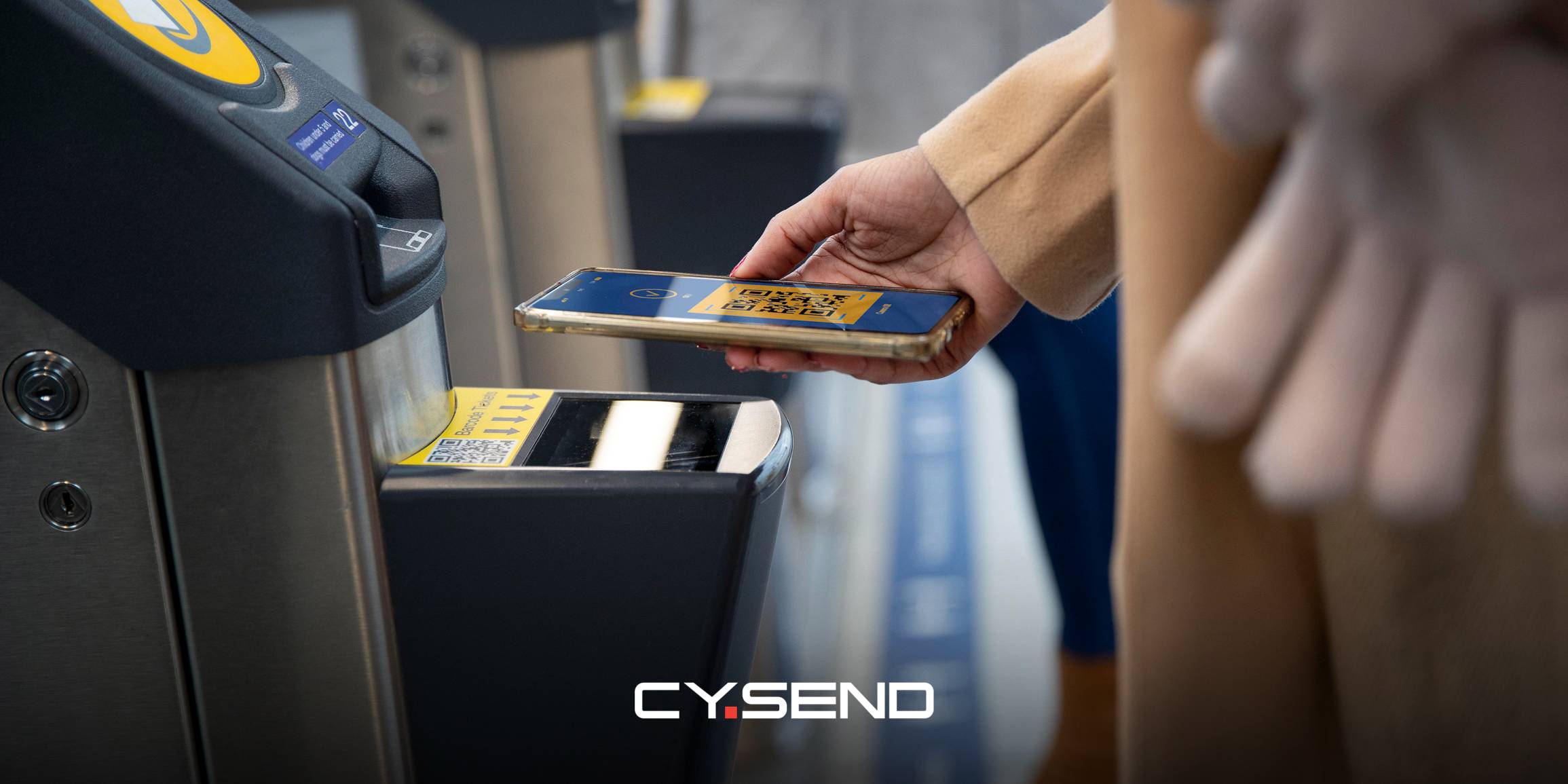
- Transit wallet / QR tickets: you top up a transport wallet and scan a QR code or use in-app tickets.
- Closed-loop city cards: rechargeable cards sold at stations, kiosks, or convenience stores.
- Mobility apps: rideshare, scooters, bikes, and car-sharing—often payable via prepaid balances.
Use prepaid cards and digital wallets as your “universal” backup
When an app requires a card, a prepaid card linked to a mobile wallet can be the simplest workaround—especially while you wait for local banking setup. The practical advantage is control: you only load what you’re willing to spend during the trip.
- Load a small transport budget (e.g., 20–50) so you can move immediately on arrival.
- Keep one backup method (another wallet, a second prepaid card, or limited cash) for emergencies.
- Avoid using public Wi-Fi for payments when possible.
Use gift cards to fund mobility services without exposing your main card
Gift cards aren’t just for gifting in 2026. For many travelers and expats, they’re a practical way to pay for everyday transport-related spending—especially when a service supports gift card funding (directly or through a supported store balance). This can help you avoid repeated international card attempts and keep spending predictable.
If you’re new to digital gift cards, this quick internal guide explains how purchase and redemption typically work: How do digital gift cards work?
And here’s a benefits overview (useful for budgeting and security): What are the benefits of digital gift cards?
For public transport, look for top-up points and “tourist pass” options
Even when a city’s app pushes card payments, you can often buy or top up a transit card in person using cash or local payment methods at: station machines, kiosks, supermarkets, or convenience stores. Many systems also offer tourist passes that reduce daily decision-making.
- Ask for the “reloadable card” option at the station (it’s often cheaper than single tickets).
- Choose a pass if you’ll do 3+ rides/day (it reduces stress and helps you budget).
- Save your receipts or top-up confirmations if you’re staying long-term.
Make mobile connectivity part of your transport plan
Many transport payments rely on apps (QR tickets, verification codes, wallet top-ups). That means connectivity is not just “for maps” — it’s for mobility. If you use prepaid mobile credit, top-ups can keep you moving without relying on a local bank card.
Internal guide: How does mobile top-up work?
Use security habits that prevent “travel money problems”
Transport payments are frequent and often rushed. Protect yourself with simple habits that reduce fraud risk: use 2FA where possible, avoid sketchy Wi-Fi, and keep your primary card exposure minimal.
Internal security reference: Digital payment security tips: protect your money online
Reliable external reference on avoiding gift card scams: FTC: Gift card scams (how to spot and avoid them)
When CY.SEND can help (without overcomplicating it)
If you need country-specific digital products in one place (gift cards or mobile top-ups), CY.SEND can be useful as a “bridge” while you travel. For example, you can top up a local number or purchase a gift card for a service you rely on during your trip.
Payment flow overview: CY.SEND: your payment guide | Example of a country-specific listing: Example: country-specific gift card listing
Move like a local, without the local card stress
In 2026, you don’t need a local bank card to move confidently. Use a simple plan: identify your city’s transport model, keep a prepaid wallet/card as your backup, use gift cards where they fit for predictable mobility spending, and make connectivity part of your transport setup. With those basics covered, your first ride in a new city feels like travel should: smooth, flexible, and exciting.