Celebrate life beyond borders: a UK traveller’s guide to Día de los Muertos in Mexico
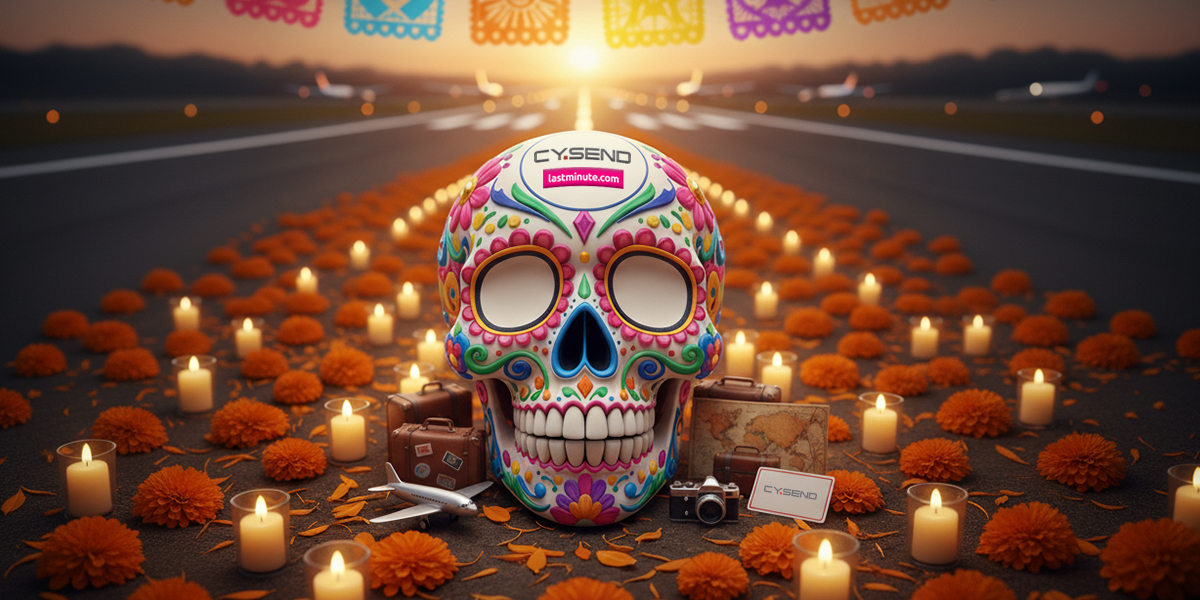
There are few celebrations in the world as colorful, spiritual, and deeply meaningful as Mexico’s Día de los Muertos — the Day of the Dead. It’s not just a festival; it’s a journey into the heart of a culture that celebrates life by honoring death. For UK travelers, this is one of those once-in-a-lifetime experiences that leave a mark far beyond the photos you take — it’s about understanding a worldview where remembrance and joy coexist beautifully.
The heart of the celebration
The Day of the Dead takes place every year on November 1st and 2nd, coinciding with All Saints’ and All Souls’ Days. But don’t be mistaken — this is not a gloomy occasion. Across Mexico, streets are filled with music, families gather to decorate altars (known as ofrendas), and the air is perfumed with the scent of marigolds. The celebration is a way to welcome back the souls of loved ones for a brief visit, through offerings of food, candles, and memories.
Unlike Halloween — which tends to focus on fear, costumes, and fright — Día de los Muertos celebrates life itself. The Mexican view of death is not about darkness; it’s about continuity. It’s an emotional, colourful reminder that those who came before us remain part of our lives through love and memory.
Symbolism and traditions
If you’ve ever seen awesome skulls and skeletons dressed in elegant clothing, you’ve met La Catrina — one of the most iconic symbols of the Day of the Dead. Her image represents the acceptance of mortality, a humorous and artistic way to say that death is simply part of the human experience.
Equally symbolic are the marigolds, or cempasúchil, whose golden petals are believed to guide spirits back to the world of the living. You’ll find them everywhere: lining doorways, covering graves, and cascading down the steps of home altars. These altars, decorated with candles, sugar skulls, and photographs, are deeply personal expressions of love. Each one tells a story — of a life remembered and cherished.
Traditional foods play a central role, too. Pan de Muerto (bread of the dead), hot chocolate, and tamales are shared among families and visitors alike. For travelers, tasting these dishes is one of the most authentic ways to connect with local culture.
Where to experience it
For UK travelers planning to witness this unforgettable event, Oaxaca, Pátzcuaro, and Mexico City are the top destinations. Each offers its own unique take on the tradition.
- Oaxaca is famous for its candlelit processions, live music, and artistic flair. Its colonial streets become a living gallery of colour and creativity.
- Pátzcuaro, in Michoacán, offers a more intimate, spiritual experience. Families gather at Lake Pátzcuaro’s cemeteries, spending the night with music, stories, and candles glowing over water.
- Mexico City hosts one of the largest and most spectacular Day of the Dead parades in the country — a relatively new tradition inspired by both local customs and international attention.
Whichever destination you choose, plan your trip well in advance. Flights and accommodations fill quickly around these dates — which is where CY.SEND gift cards can be a smart travel ally.
Planning your journey with cy.send and lastminute.com
Travelling to Mexico for the Day of the Dead is more than a cultural trip — it’s an adventure that requires good planning. CY.SEND offers gift cards for lastminute.com, making it easier for travelers to book flights, hotels, or experiences with flexibility and savings.
By using CY.SEND gift cards, you can prepay part of your trip, manage your travel budget effectively, and even send a thoughtful gift to a friend who shares your wanderlust. Whether you’re booking your flight to Oaxaca or a boutique hotel near Mexico City’s parade route, these gift cards make every booking simpler.
And if you’re part of the CY.SEND Cashback Club, the benefits go even further. Members earn 10× more cashback in SND points with each purchase — rewards you can later use toward more travel, dining, or entertainment experiences on the CY.SEND platform. It’s a smart way to make your cultural exploration more rewarding in every sense.
Joining the celebration
Once you arrive in Mexico, you’ll notice that the Day of the Dead is not a show — it’s a living tradition. Tourists are welcomed warmly, but respect and awareness are key. When visiting cemeteries or family gatherings, observe quietly, ask before taking photos, and learn from locals who are often eager to share the meaning behind their traditions.
Joining a workshop is a great way to experience the festival respectfully. In many cities, artisans invite travelers to paint sugar skulls, make paper decorations, or even build their own small altars. You can also participate in a cooking class to learn how to make Pan de Muerto or mole, traditional dishes prepared especially for this time.
Photography enthusiasts can join guided tours during parades and night vigils, where expert guides help capture the emotion and colour of the celebration — always with sensitivity.
Experiencing Día de los Muertos like a local
For many Mexicans, this is the most personal and meaningful time of year. Families visit cemeteries at night, light candles, sing songs, and share food beside the graves of loved ones. Rather than mourning, they celebrate — and invite the spirits to join them once more.
For travelers, it’s a chance to see how community and family values intertwine with art, music, and spirituality. The combination of visual beauty and heartfelt emotion creates a sense of connection that transcends language or nationality.
If you want to fully immerse yourself, consider staying in smaller towns or joining community-organized tours. Supporting local guides, artists, and family-run accommodations ensures that your visit has a positive impact.
Beyond the festival
The magic doesn’t end on November 2nd. You can continue your Mexican adventure by visiting nearby destinations — from Oaxaca’s craft villages and mezcal distilleries to Mexico City’s world-class museums and street markets. Many travelers also explore ancient ruins, cenotes, and beaches once the festivities are over.
Combining cultural exploration with relaxation makes the journey even more memorable — and CY.SEND gift cards help you keep that flexibility. You can easily combine travel bookings, experiences, and even restaurant vouchers within the same ecosystem, turning every purchase into a reward.
A celebration of life itself
Experiencing the Day of the Dead at least once in your life changes how you see the world. It’s not just about Mexico’s colourful parades or delicious food — it’s about embracing a philosophy that turns loss into love, memory into celebration, and death into an affirmation of life.
For UK travelers seeking depth, authenticity, and emotion, Día de los Muertos offers all that and more. It’s a celebration that reminds you to appreciate every moment, to honour those who came before, and to find beauty in the cycle of life.
Make your trip happen
If you’ve ever dreamed of experiencing the Day of the Dead, now is the time to make it happen. With CY.SEND gift cards for lastminute.com, you can plan your flights, hotels, and experiences easily — while earning exclusive cashback rewards through the CY.SEND Cashback Club.
Celebrate life, travel smart, and make every journey rewarding — start with CY.SEND today.
- What is the Day of the Dead, and what does it represent in Mexican culture?
- How is Día de los Muertos different from Halloween?
- What is the history behind the Day of the Dead, and how did it begin?
- What do the altars (ofrendas) symbolize during the celebration?
- Why are marigolds, sugar skulls, and papel picado important symbols?
- What are the spiritual beliefs behind honoring ancestors in Mexico?
- Where can you find the most authentic Day of the Dead celebrations in Mexico?
- What happens during a typical Día de los Muertos parade?
- How do Mexicans prepare their homes and cemeteries for the celebration?
- What foods and drinks are traditionally enjoyed on the Day of the Dead?
- What kind of music and dance performances are part of the festivities?
- Which cities are best to visit in Mexico during the Day of the Dead?
- When is the best time to travel to Mexico for Día de los Muertos?
- How can you plan an itinerary to experience the festival as a first-time visitor?
- Is it safe for tourists to attend Day of the Dead events and parades?
- What are the best areas to stay near the main celebrations?
- Where can travelers buy authentic masks, sugar skulls, and handmade crafts?
- Can visitors join workshops to make their own ofrenda or learn Catrina makeup?
- Are there photography tours during Day of the Dead celebrations?
- Where can you take a traditional cooking class for Pan de Muerto or mole?
- How can travelers respectfully participate in local community events?
- How can foreigners respectfully take part in the Day of the Dead?
- What should tourists avoid doing during cemetery visits or parades?
- How do Mexicans feel about tourism during Día de los Muertos?
- Has the Day of the Dead changed due to international attention?
- How can you avoid cultural appropriation and show real appreciation?
- What other Mexican festivals celebrate life, death, or renewal?
- How can you combine Day of the Dead travel with other cultural highlights in Mexico?
- What are the best ways to support local communities during your visit?
- What souvenirs or gifts best capture the spirit of Día de los Muertos?
- How can you share your Day of the Dead experience respectfully on social media?